
Last updated August 27, 2026
Free in-home measure and quote - PGT, CGI and CWS impact lines compared on your actual openings, style by style
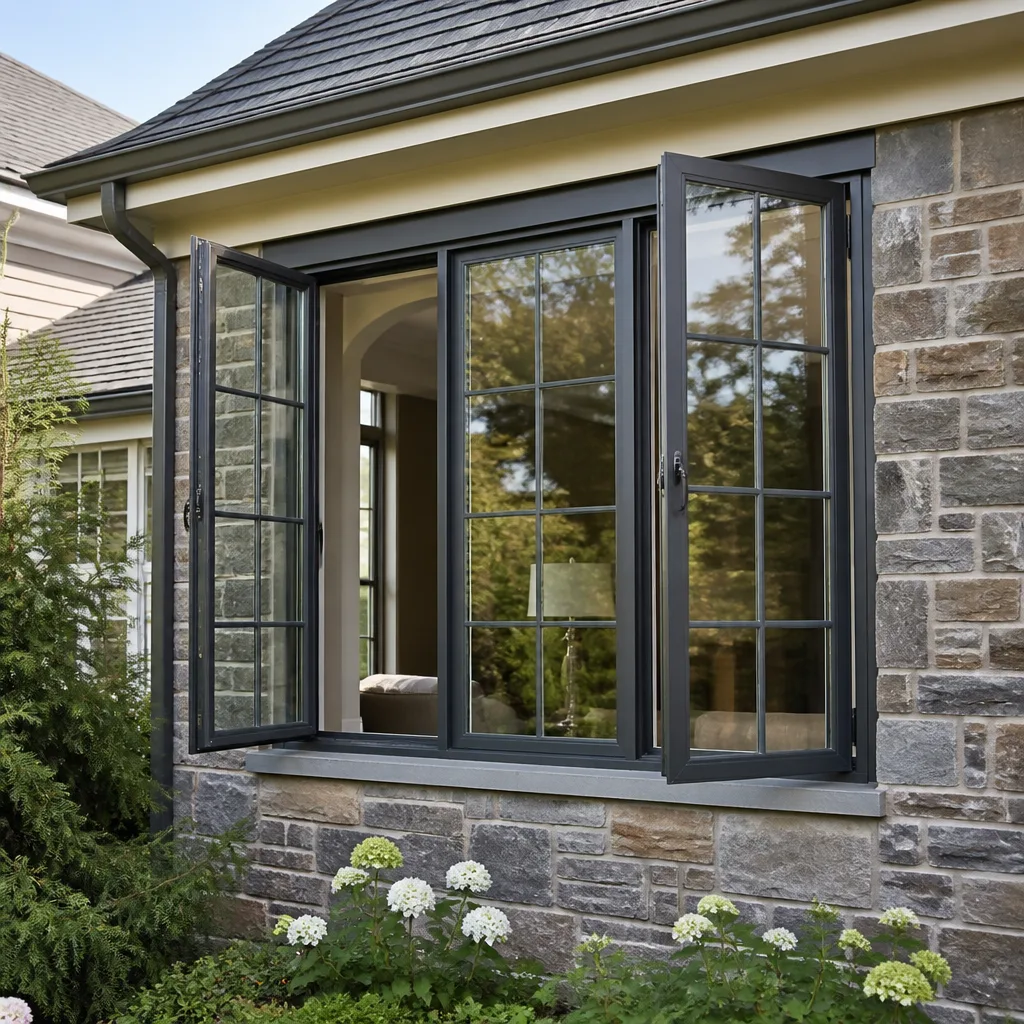
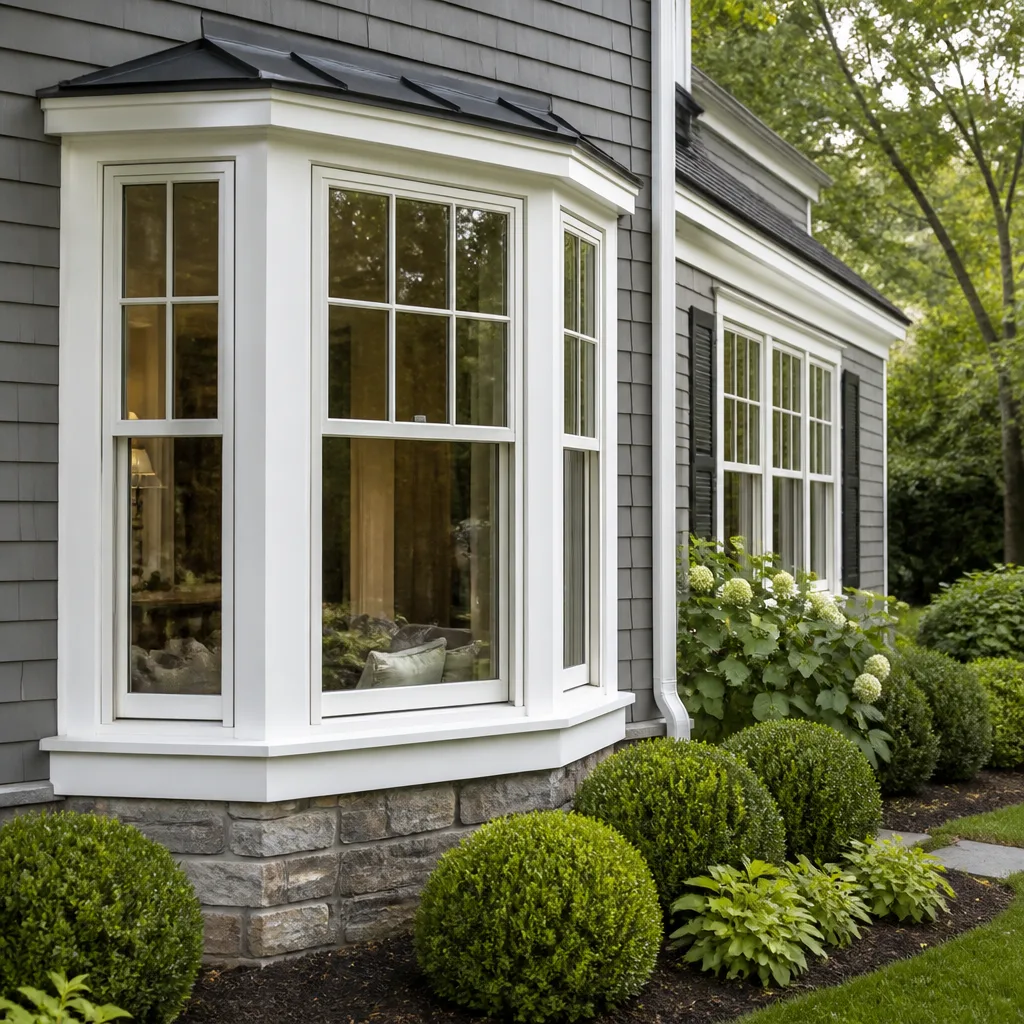
Sliding glass doors
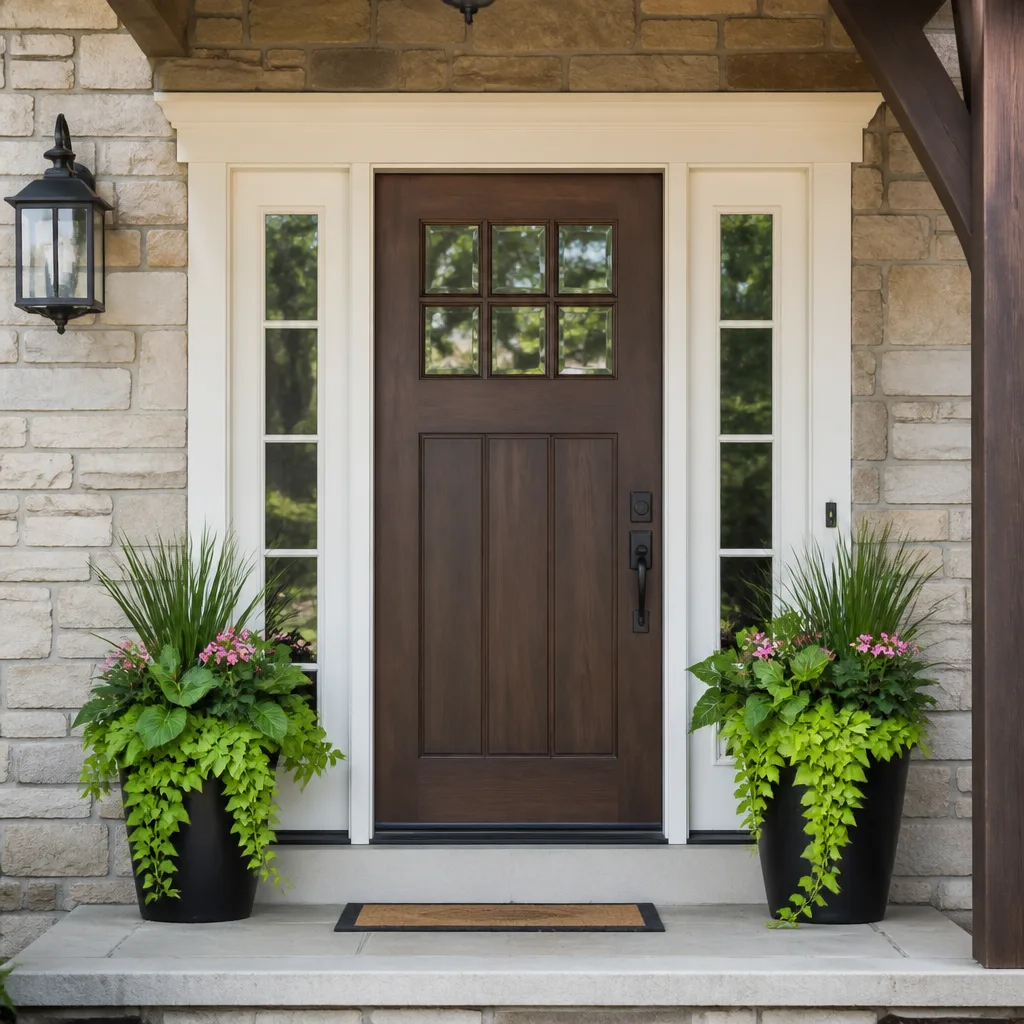
Impact garage doorsPGTCGI
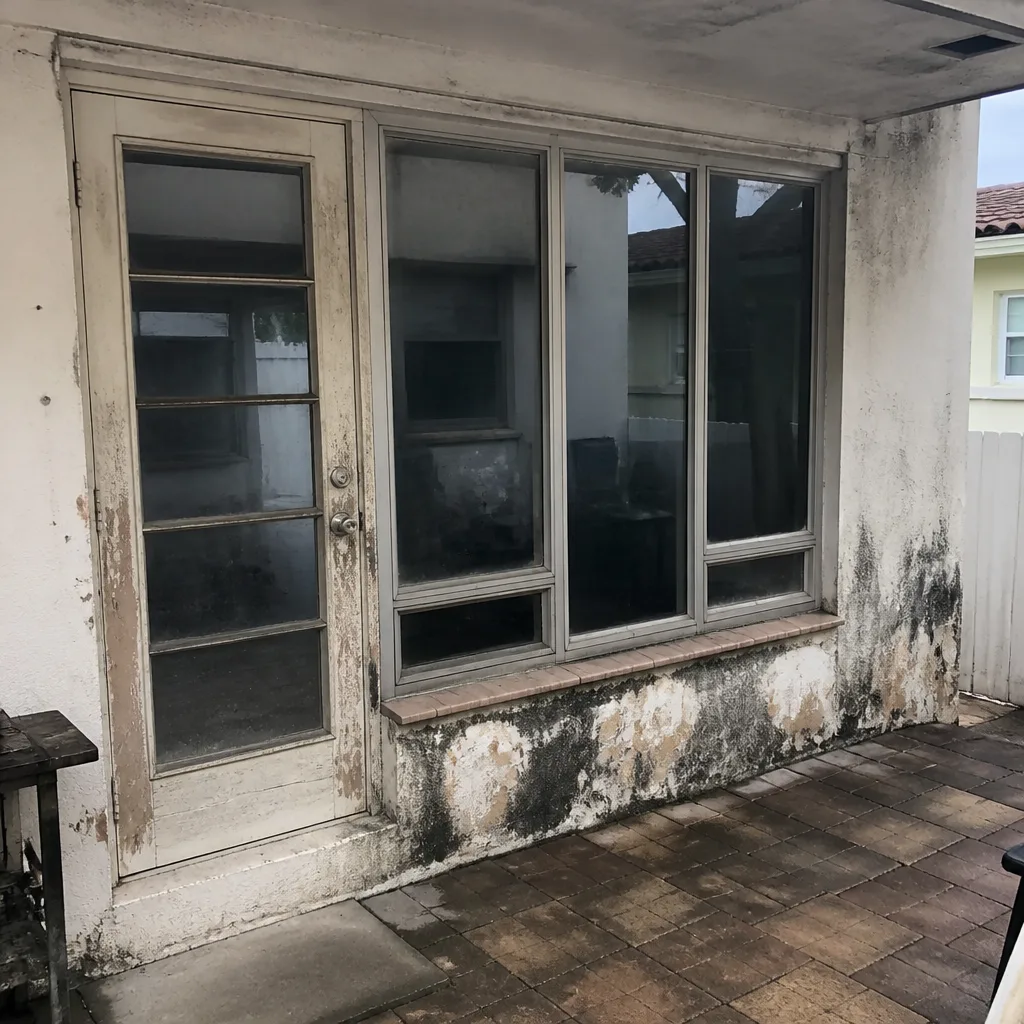 Before
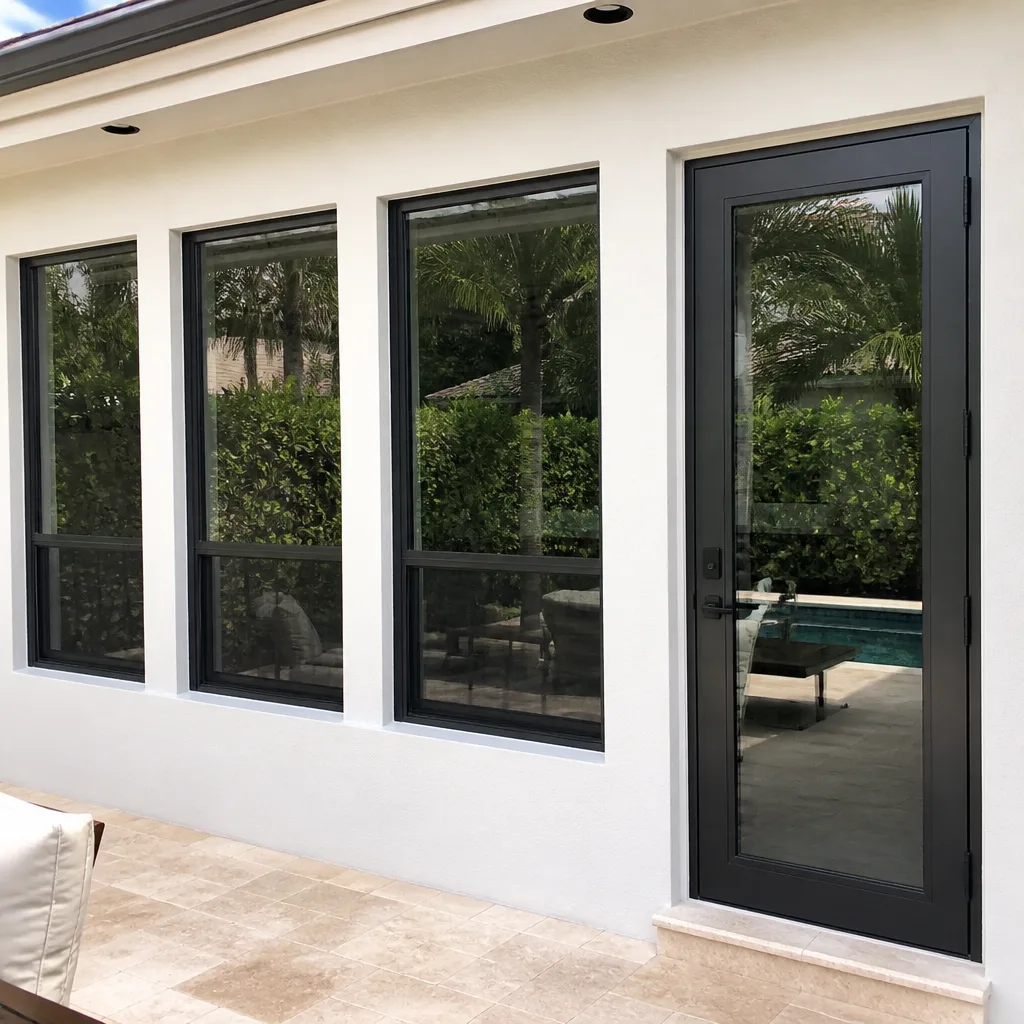 After
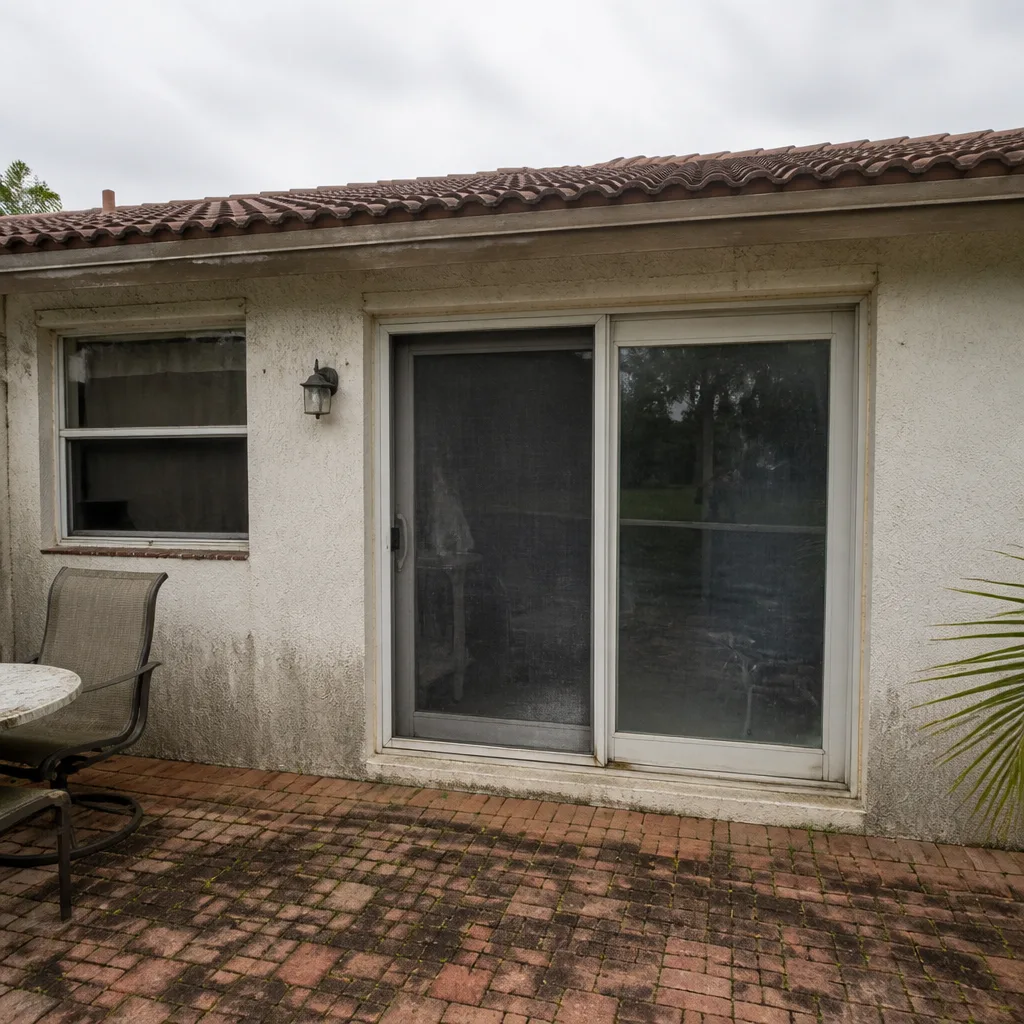 Before
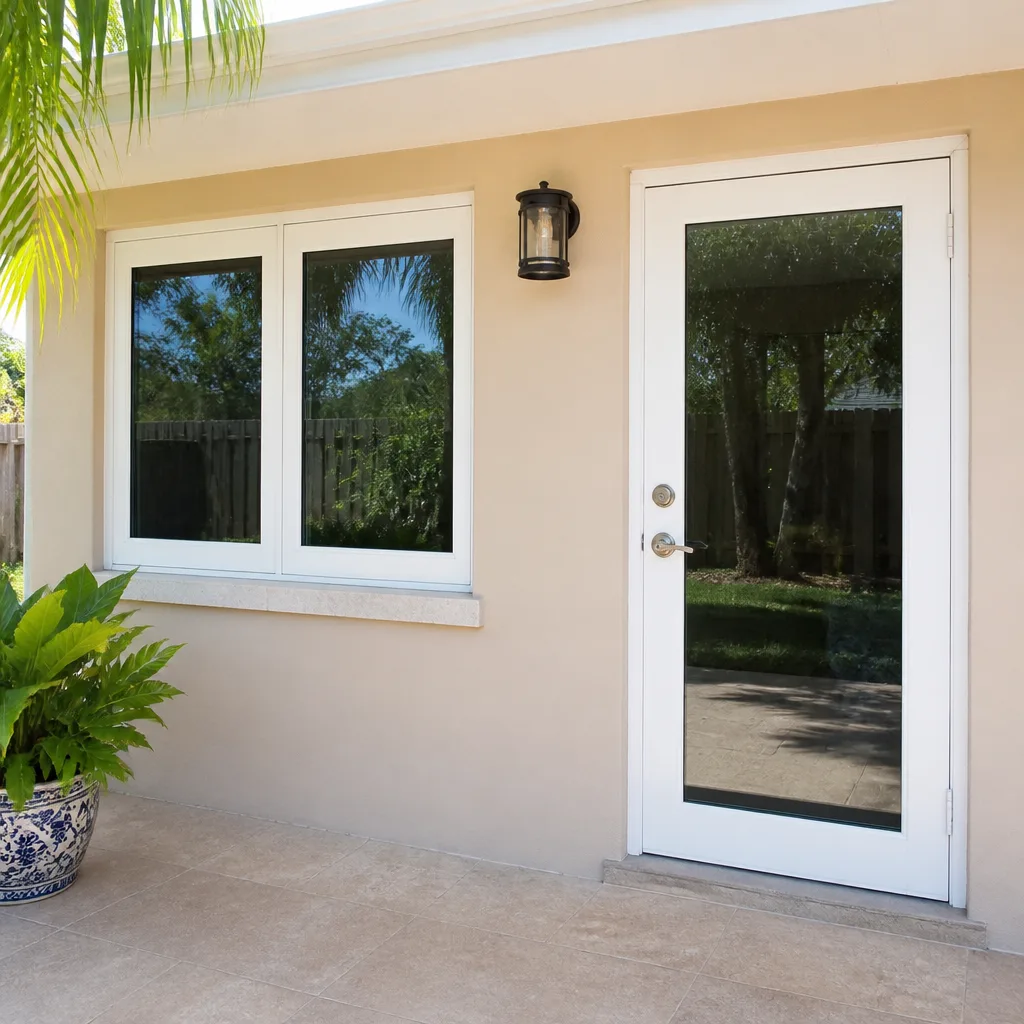 After
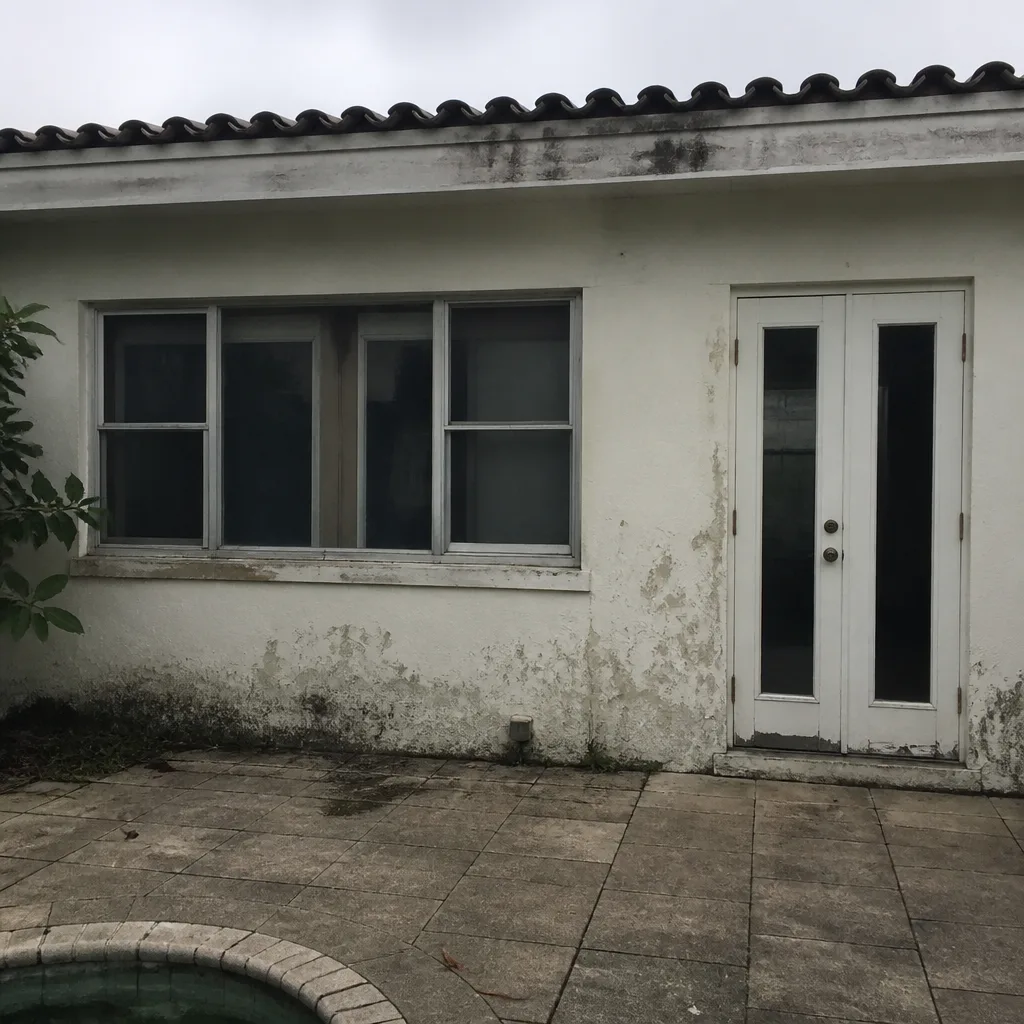 Before
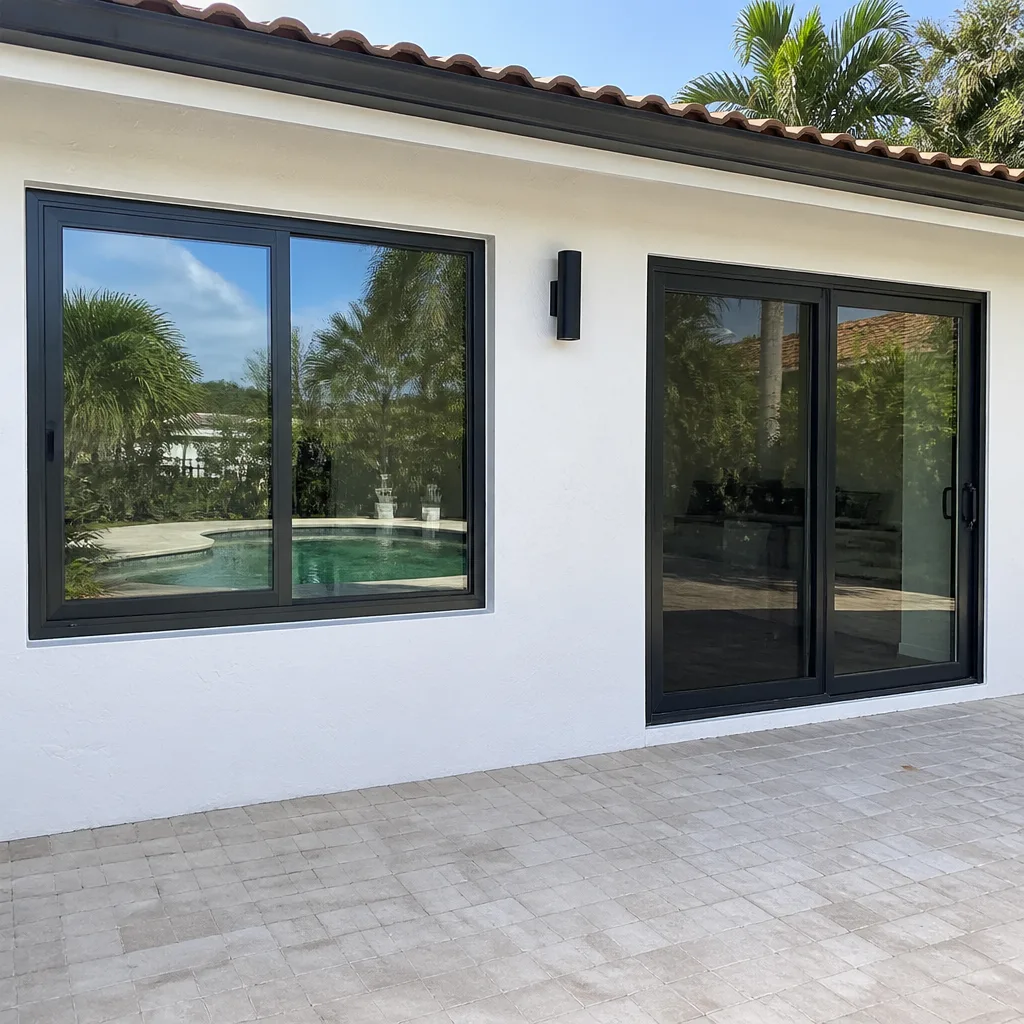 After
The Complete Guide to Windows & Doors in Hollywood
Most homeowners in Hollywood replace their windows exactly once. That means the decisions you make this year will be the decisions you live with for the next twenty or thirty years. The Florida sun, the salt air, the afternoon thunderstorms that roll in off the Atlantic: this climate punishes windows and doors faster than almost anywhere else in the country. This guide explains what actually matters when you’re choosing, installing, and maintaining windows and doors in Hollywood: what costs look like, which materials hold up, how Florida building codes change your options, and where homeowners most often go wrong. We’ll cover impact requirements, energy efficiency, door selection, and the warranty details that matter when something fails.
Quick Answer
Choosing the right windows and doors in Hollywood means selecting impact-rated products that meet Florida Building Code, matching frame materials to your home’s exposure, and hiring an installer who registers both layers of manufacturer warranty in writing. Expect to pay roughly $700 to $1,800 per window installed and $1,500 to $6,000 for a quality exterior door, depending on size, material, and impact rating. The most expensive mistake is not the product; it’s the installation, because a poorly set window in Hollywood’s humidity will fog, bind, or leak within a few seasons.
Table of Contents
- What Hollywood’s Climate Does to Windows and Doors
- Impact Ratings and Florida Building Code: What You’re Required to Install
- Frame Materials: Vinyl, Aluminum, Wood, and Composite in South Florida
- Glass Packages, Low-E Coatings, and Energy Efficiency
- Choosing Exterior Doors for Hollywood Homes
- The Two Warranty Layers Most Homeowners Never See
- What a Proper Installation Should Look Like
- Maintenance That Extends the Life of Windows and Doors
What Hollywood’s Climate Does to Windows and Doors
Hollywood sits between the Everglades and the Atlantic, which means two things happen at once. Humidity stays high year-round, and the air carries salt. Together, they attack window frames, seals, and hardware in ways that a house in Orlando or Atlanta never experiences. We’ve pulled out windows in Emerald Hills that looked fine from the street but had aluminum frames corroded white at the corners, eaten from the inside by years of salt-laden condensation. In Hollywood Lakes, we see a different pattern: wooden double-hungs that swell in August and refuse to open until December. The point is not that one material is always wrong. The point is that Hollywood’s climate rewards certain materials and punishes others, and the difference shows up in years, not months.
Another factor is the afternoon storm cycle. From May through October, Hollywood gets intense wind and driving rain almost daily, usually between two and six o’clock. Windows and doors take on more water in that window of time than they do the rest of the year combined. Flashing details that work fine in a dry climate quietly fail here, and the failure shows up as a watermark on the drywall below a window or a door that binds after every heavy rain. When we treat Hollywood as its own environment rather than just a suburb of Miami, the choices get easier. Pick materials that don’t corrode, glass packages that block solar heat, and installation details that shed water.
How Water Actually Gets In
- Failed caulking at the exterior perimeter - the first point of failure on most ten-to-fifteen-year-old windows
- Deteriorated glazing seals - fogged glass means the insulating gas has escaped and moisture lives between the panes
- Improperly lapped house wrap or flashing - water runs behind the siding and finds the rough opening
- Weep holes blocked by paint or debris - designed to drain water out, but only if they stay clear
- Unsealed door thresholds - especially on east-facing doors that catch the full morning humidity
Impact Ratings and Florida Building Code: What You’re Required to Install
Florida Building Code requires impact-rated windows and doors in most of Broward County, including all of Hollywood, because of the high-velocity hurricane zone designation. That means every new window or door you install must carry a Florida Product Approval number and meet Miami-Dade or Florida Building Code testing standards for wind pressure and missile impact. If you’re buying a replacement window from a national chain and the quote doesn’t mention impact rating, stop. In Hollywood, a non-impact window is not a cheaper option; it’s a code violation.
Impact-rated does not mean unbreakable. An impact window is built with laminated glass, which is two layers of glass bonded to a plastic interlayer. When a fence post hits it at 140 miles per hour, the glass cracks but the interlayer holds the pieces in place. The window frame stays in the opening, and the house never pressurizes. That’s the entire point: not protecting the glass from breaking, but protecting the structure from blowing apart once a window goes. The same logic applies to impact doors. A rated door assembly includes the slab, the frame, the hinges, and the hardware, all tested together, not just a heavy door hung in a standard frame.
How to Verify an Impact Rating
- Ask for the Florida Product Approval number for every window and door in the quote.
- Look up that number on the Florida Department of Business and Professional Regulation database.
- Confirm the product is approved for the High Velocity Hurricane Zone, not just the statewide standard.
- Check that the installation method matches the manufacturer’s approved installation drawings.
- Keep the approval documentation with your closing papers; your insurance company may ask for it.
Hollywood homeowners who installed impact windows often qualify for windstorm insurance discounts. The savings vary by carrier and by how many openings are protected, but they run from a few hundred to over a thousand dollars a year. Ask your insurer for the specific form they require; most want the product approval numbers and a signed statement from the installer.
Frame Materials: Vinyl, Aluminum, Wood, and Composite in South Florida
We quote all four materials in Hollywood, and we tell every homeowner the same thing: the material has to match the house, the exposure, and the budget, in that order. Aluminum was the standard in South Florida for decades because it’s strong and inexpensive. But bare aluminum conducts heat, and in Hollywood’s salt air it corrodes unless it’s anodized or painted well. Impact-rated aluminum frames with thermal breaks perform far better than the old single-glazed aluminum frames still living in many 1970s Hollywood Hills homes.
Vinyl is the most popular residential choice now, and for good reason. It never corrodes, it insulates better than aluminum, and modern vinyl extrusions with steel reinforcement meet the largest impact sizes. The tradeoff is appearance: vinyl frames have thicker sightlines than aluminum, and no vinyl window will ever look like a century-old wood sash. Wood windows are beautiful and historically appropriate for some of Hollywood’s older neighborhoods, especially in the Lakes section where original design matters. But wood demands upkeep, and in Hollywood’s humidity, a neglected wood window rots. Composites, including Marvin’s fiberglass line, split the difference: the strength and slim look of aluminum with better thermal performance and no corrosion problem. They’re also the most expensive.
The honest answer is that no single material wins. A west-facing wall in Hollywood Lakes that bakes in the afternoon sun might be best served by impact aluminum with a thermally broken frame and Low-E glass. A shaded north side can use vinyl at a lower price with excellent performance. A historic bungalow where the visual character matters might justify composite or quality wood. We quote them side by side on paper so the homeowner sees what they’re choosing.
Glass Packages, Low-E Coatings, and Energy Efficiency
The glass is not a window’s weakest part. It’s the part that does the most work. In Hollywood, a clear-glass window facing south or west turns the house into a greenhouse from noon until sunset. Low-E coatings, which are microscopically thin metal or metal-oxide layers deposited on the glass, reflect solar heat back outdoors while letting visible light pass through. A quality Low-E package can cut solar heat gain by half compared to clear glass, and in the summer that means lower cooling loads and less strain on the air conditioning.
We recommend, at minimum, a double-glazed insulated glass unit with a Low-E coating and argon gas fill for any window in Hollywood. The Low-E does the heavy lifting against the sun. The argon slows conductive heat transfer. The air space and the gas fill also quiet the street noise, which matters on Federal Highway, Hollywood Boulevard, or anywhere near U.S. 1. For bedrooms facing a busy street, we suggest stepped-up glass packages with laminated glass on both panes. It adds cost, but the noise difference is real, not something you have to convince yourself to hear.
Glass Package Checklist for Hollywood Homes
- Low-E coating on surface two or three - confirm which surface; it affects performance
- Argon or krypton gas fill - argon is standard; krypton costs more for higher insulation values
- Warm-edge spacer system - reduces condensation at the glass edge, the first place seals fail
- Double-strength glass - on large windows, standard 3mm glass flexes and fails sooner
- U-factor under 0.30 and SHGC under 0.25 - Florida-specific targets, not the national Energy Star numbers
The savings from efficient windows in Hollywood are real but measured. Homeowners tell us their cooling bills drop ten to twenty percent after replacing thirty-year-old single-pane aluminum windows with modern impact-rated units. The comfort improvement matters more: rooms that used to be five degrees warmer than the rest of the house stop being that.
Choosing Exterior Doors for Hollywood Homes
An exterior door in Hollywood has to do three jobs at once: keep out water, stand up to sun, and hold its shape in humidity. That’s a harder ask than it sounds. We’ve repaired doors in Driftwood that swelled shut every summer because they were hollow-core interior doors hung on an exterior frame. The homeowner saved money on the front end and paid for it every humid morning for years.
For most Hollywood homes, we recommend a fiberglass or steel entry door with a thermally broken frame for security and durability, or an impact-rated French or sliding door where the house opens to a patio or yard. Fiberglass doors hold paint well, never rust, and don’t warp. Steel doors offer slightly better security but dent when struck hard and can rust at the bottom if the threshold isn’t kept sealed. Solid wood doors look better than either and cost accordingly, but the humidity makes them move. They need to be sealed on all six sides, and even then, the homeowner accepts some seasonal movement.
Patio doors, whether sliding or French, should always be impact-rated in Hollywood. The same logic applies as with windows: a pressure-rated opening protects the whole house. When we replace sliders in Pembroke Pines or set impact French doors in Hollywood, we’re not just putting a door in a hole. We’re keeping the building envelope intact when the wind comes.
The Two Warranty Layers Most Homeowners Never See
Every window and every door comes with two warranty layers. The first covers the glass: seals, fogging, breakage of the insulated unit, sometimes the frame extrusion. The second covers the hardware: locks, balances, hinges, rollers, operators. Here’s the problem. The manufacturer usually requires the installer to register those warranty layers with the homeowner’s name, address, and purchase date. If the installer never registers them, the homeowner may hold a piece of paper that manufacturers will not honor. We see this more often than anyone wants to admit, and we see it in Hollywood often enough that we made it a rule at TruePane Windows & Doors home to register both layers in writing before the technician leaves the driveway. If the pane is not true, the job is not done, and a warranty that isn’t registered is a warranty that doesn’t exist.
This matters in practical terms. A sealed glass unit fails, fogs up between the panes, and the manufacturer should replace the glass under warranty. The homeowner calls the company that installed it. That company is gone, or the registration was never submitted. Now the homeowner pays four hundred to eight hundred dollars for a glass replacement that should have cost nothing. The Keystone Standard exists to keep that from happening to a Hollywood homeowner on our watch.
Beyond the manufacturer layers, there’s a workmanship layer. Manufacturers do not cover installation errors. If a window leaks because it was flashed wrong, the factory warranty does not apply. That’s where the installer’s own workmanship warranty matters, and why the Done Right Promise is part of every TruePane job. If the work isn’t right, we come back and make it right, no paperwork fight, no arguing. We stand behind it.
What a Proper Installation Should Look Like
Installation is where money is made or lost. A great window set badly is a bad window in five years. Here’s the sequence we follow on every replacement in Hollywood, and it’s a sequence you can watch for when you’re comparing contractors.
- Measure twice, normally three times. Every opening gets measured at the sill, the header, and both jambs. We note the rough opening, not just the old window size.
- Remove the old window or door down to the rough opening. Then inspect the framing. In Hollywood, we regularly find rotted king studs and water-damaged sills hidden behind old aluminum frames.
- Repair or replace damaged wood before the new unit goes in. Skipping this step is the classic race-to-the-bottom shortcut. The homeowner can’t see it, and it fails on a schedule measured in years.
- Flash the opening properly. Peel-and-stick flashing at the sill, building paper or house wrap lapped shingle-style at the sides, and a drip cap at the head. Water directed out, never trapped in.
- Set the window or door plumb, level, and square. Shimmed at the hinge points and anchor points, not wherever is convenient. This is where “true” comes from, and it’s the part most installers rush.
- Insulate the perimeter with low-expansion foam or backer rod and sealant. Then trim the exterior with quality sealant, tooled smooth, all four sides, with weep holes left clear.
- Test the operation. Windows open and close, lock correctly, balance smoothly. Doors swing true, latch without lifting, and the weatherstripping compresses evenly. We don’t leave until it works.
This process takes time, and it costs more than yanking the old unit and cramming the new one in. We’ve never once had a Hollywood homeowner complain that a crew was too careful. We’ve had plenty call us after someone else was fast.
Maintenance That Extends the Life of Windows and Doors
Even the best windows and doors in Hollywood need attention. The good news is that the work is small and seasonal. The bad news is that ignoring it shortens the life of the product by years.
A Simple Seasonal Checklist
- Every spring: Clean the tracks and sills on all sliders and hung windows. Dirt and sand from Hollywood’s breezes grind down rollers and balances faster than normal wear.
- Every fall: Check the exterior caulking and sealant. Look for cracks, peeling, or gaps. Re-caulk any opening where water could find a path.
- Every rainy season: Clear the weep holes at the bottom edge of window frames. A blocked weep hole turns every window into a small aquarium during an afternoon storm.
- Annually: Lubricate door hinges and window balances with a silicone-based lubricant. Do not use WD-40; it attracts dirt and gums up over time.
- Every two to three years: Inspect weatherstripping on doors. Replace it when it’s crushed flat or torn. A door that doesn’t seal is an air leak and a water entry point.
We also offer an maintenance check for Hollywood homeowners who want a professional pass. It includes a track and roller cleaning, hardware adjustment, weatherstripping inspection, and a full check of operation on every opening in the house. It’s the kind of maintenance that catches a failing balance or a rusted roller before it becomes a four-hundred-dollar repair.
Common Mistakes to Avoid
- Buying non-impact windows in Hollywood. It’s a code violation, it risks the house in a storm, and it will have to be replaced before the house can be sold or insured properly.
- Choosing a window by price per window. The lowest bid in Hollywood is almost always cutting a corner you can’t see: unregistered warranties, skipped flashing, unrepaired framing.
- Thinking “new construction” and “replacement” windows are interchangeable. Replacement windows are sized for existing frames. New construction windows have nailing fins that require pulling exterior trim or siding. Buy the right type or pay twice.
- Ignoring the warranty registration deadline. Many manufacturers require registration within a set window after purchase. Miss the deadline and you’re out of the warranty before the technician leaves the driveway.
- Allowing a contractor to install without product approvals. If the window doesn’t carry a Florida Product Approval number, it’s not legal to install in Hollywood. Period.
- Painting over weep holes or caulking the bottom of a window shut. Windows are designed to drain. Blocking the drainage path causes water to collect inside the frame and destroy the window from within.
- Forgetting the permit. Window and door replacement in Hollywood requires a permit. A contractor who says otherwise is either lying or planning to walk away from the liability.
When to Call a Professional
Call a professional when you see fog between the panes, a door that scrapes the jamb in summer, water stains below a window after a rain, or a window that’s been painted shut. These are not maintenance items; they’re symptoms of an opening that has failed and is slowly taking the surrounding wall with it. Safety matters here too. Working with tempered glass, removing a heavy sash, or dealing with rotted framing around an opening causes more injuries every year than most homeowners realize. Our technicians are background-checked and uniformed, and they do this work the way they’d do it in their own mother’s house. TruePane Windows & Doors offers free estimates in Hollywood - call (863) 334-2933.
Frequently Asked Questions
Window replacement in Hollywood typically costs $700 to $1,800 per window installed, with impact-rated units at the higher end of that range. Variables include frame material, glass package, window size, and whether the old frame and surrounding wood are sound. Call (863) 334-2933 to schedule a free estimate with firm, written pricing.
Hollywood is in a high-velocity hurricane zone, and Florida Building Code requires impact-rated windows and doors on new construction and most replacements. Installing non-impact windows is a code violation that will complicate an insurance claim and a future home sale. The right conversation is not impact versus non-impact; it’s which impact product fits your house and budget.
Quality impact windows installed correctly in Hollywood last twenty to thirty years, and vinyl or fiberglass frames typically outlast the glass seals. The seals themselves often fail at ten to fifteen years, particularly on south and west exposures. A properly installed exterior door will last as long as the house, assuming the threshold and weatherstripping are maintained.
In most cases, a fogged insulated glass unit can be replaced without replacing the entire window frame. The old sash or IGU comes out and a new sealed unit goes in, assuming the frame and hardware are still sound. If the frame is rotted or corroded, replacement of the full window may be the better choice. We inspect the whole opening before recommending either path.
Many Florida insurers offer windstorm mitigation discounts for documented impact-rated openings, and the savings can reach into the hundreds or thousands per year depending on your carrier and the number of protected openings. Ask your insurer exactly what documentation they need, then make sure your installer provides those Florida Product Approval numbers and a completion statement.
Yes. Replacing windows and doors in Hollywood requires a permit, and we handle the permit, the inspections, and the paperwork as part of the job. Any contractor offering to skip the permit is putting your insurance and your home’s resale value at risk to save a few hundred dollars. Call (863) 334-2933 for an estimate that includes everything, in writing.
The Bottom Line
Windows and doors in Hollywood are not a place to save a few dollars. This climate, these codes, and this market reward homeowners who buy impact-rated products matched to their exposure, demand that warranties be registered in writing, and hire an installer who treats the opening as the system it is. We’ve been doing this work in Hollywood, as part of a glazing tradition that goes back many years. We quote brands like Marvin, Milgard, Jeld-Wen, and Simonton side by side on paper. We pull the permits. We register both warranty layers before we leave. And if it’s not done right, the Done Right Promise means we make it right, in writing, no arguing. If the pane is not true, the job is not done.
Written by the team at TruePane Windows & Doors.
Six Reasons Homeowners Choose TruePane Windows & Doors
Impact systems engineered to design pressures up to +/-100, matched to your wind zone - your openings hold when the storm arrives.
Low-E insulated impact glass from our manufacturer lines commonly cuts monthly cooling bills 20-30%.
Laminated impact glass shuts out up to 40% of outside noise - traffic, neighbors, weather.
Monitoring services run $30-90 a month. Laminated impact glass resists forced entry around the clock, with no subscription.
Florida homeowners average around 25% savings on the windstorm portion of their policy after protecting every opening - some homes qualify for more.
A full impact package upgrades curb appeal, buyer confidence and appraised value in one project.