
Last updated August 25, 2026
Free in-home measure and quote - PGT, CGI and CWS impact lines compared on your actual openings, style by style
Sliding glass doors
Impact garage doorsPGTCGI
 Before
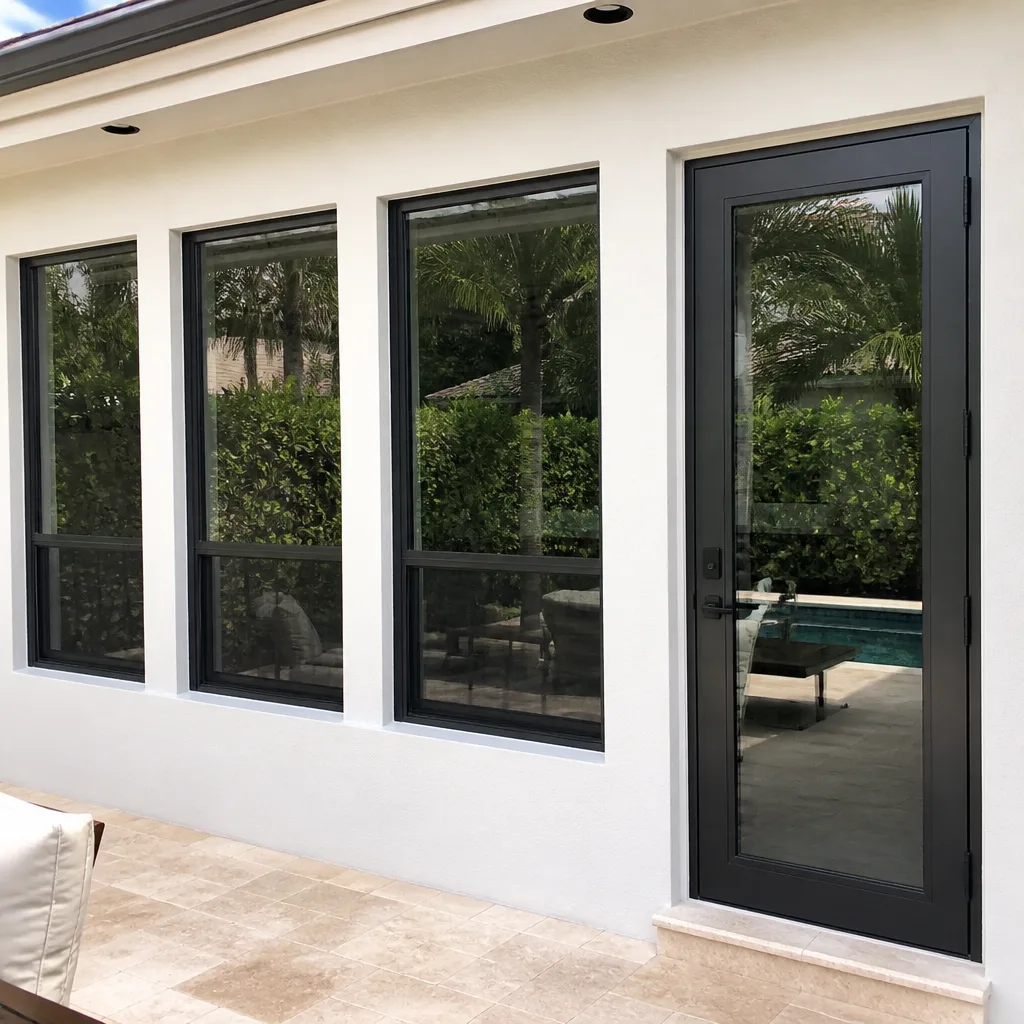 After
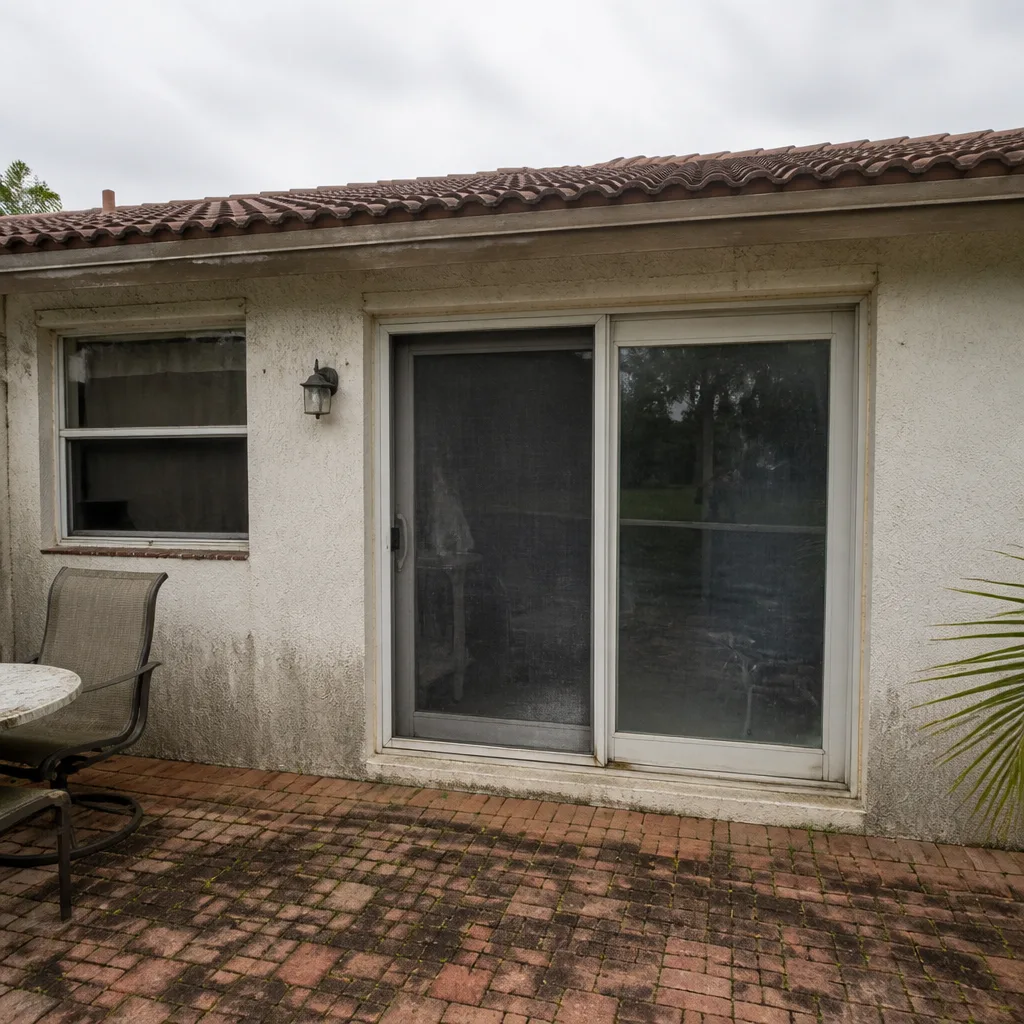 Before
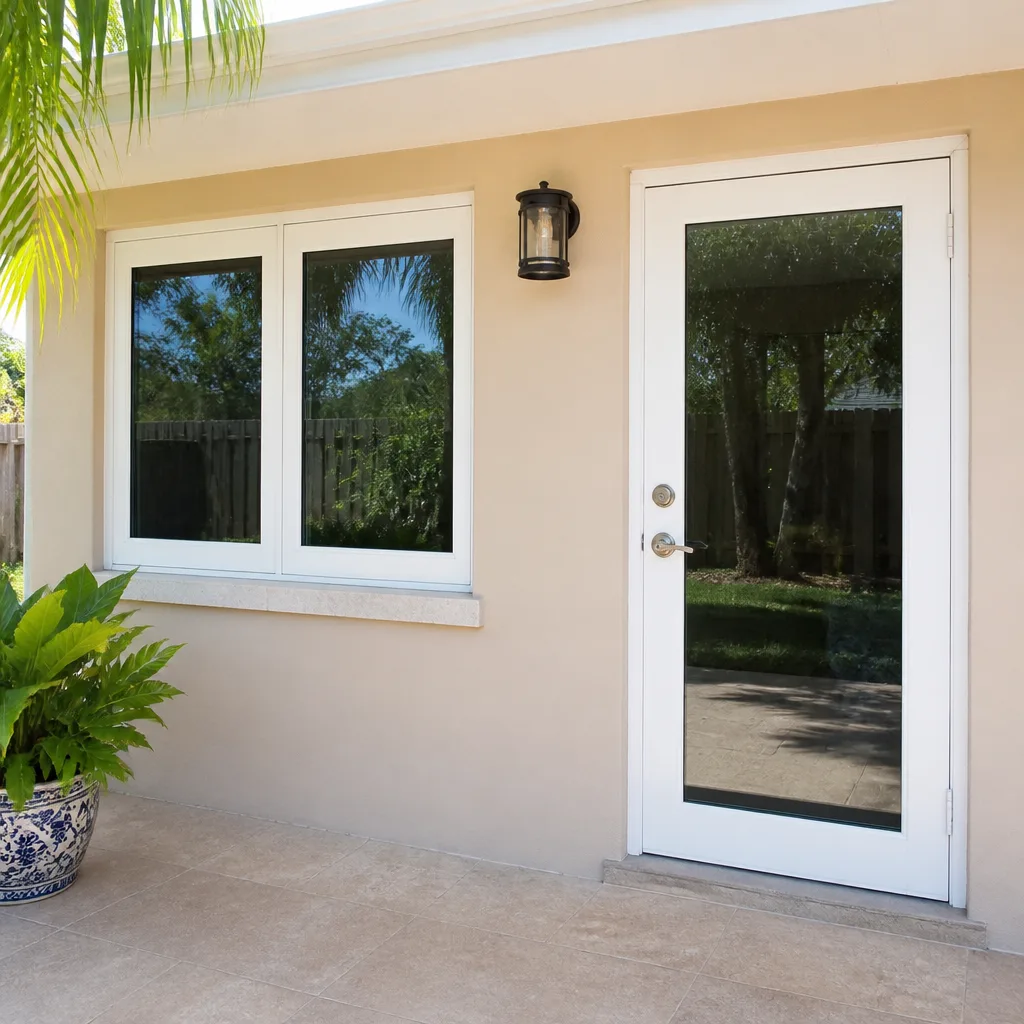 After
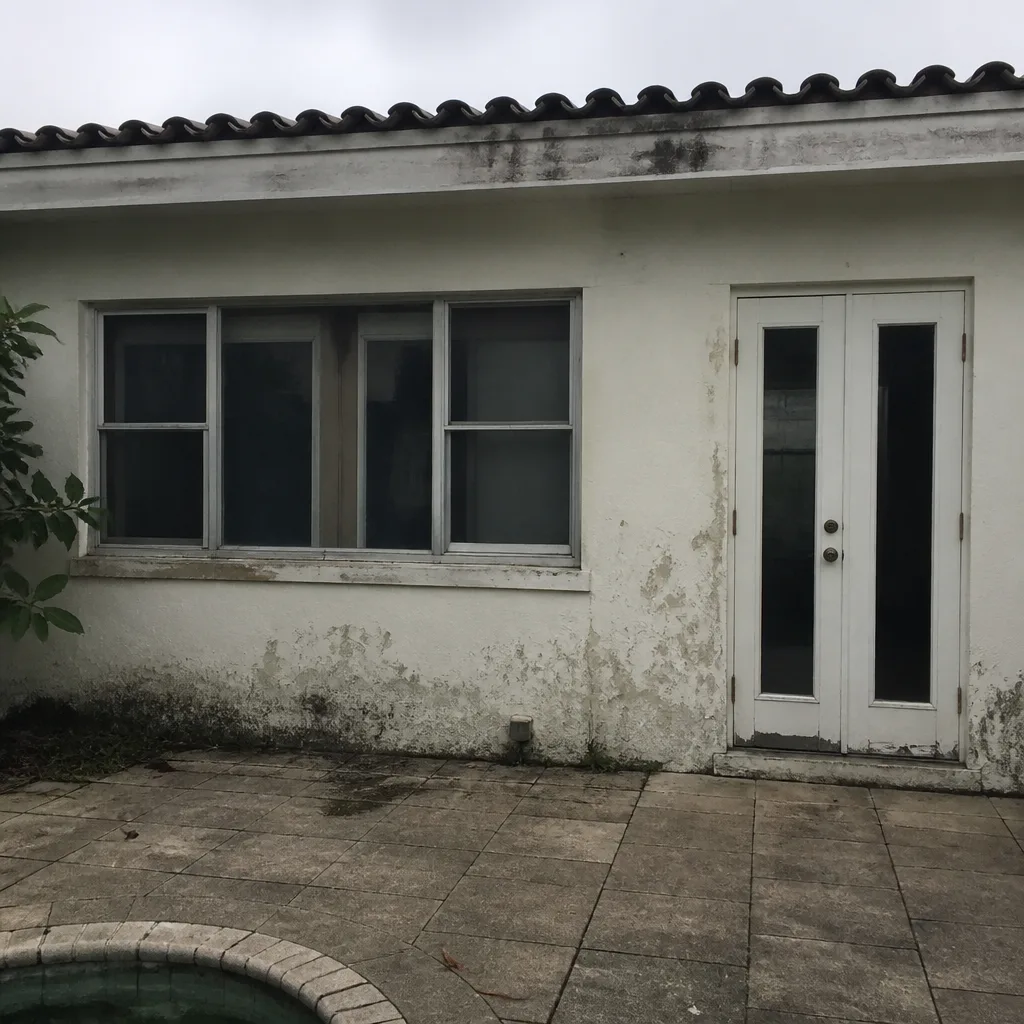 Before
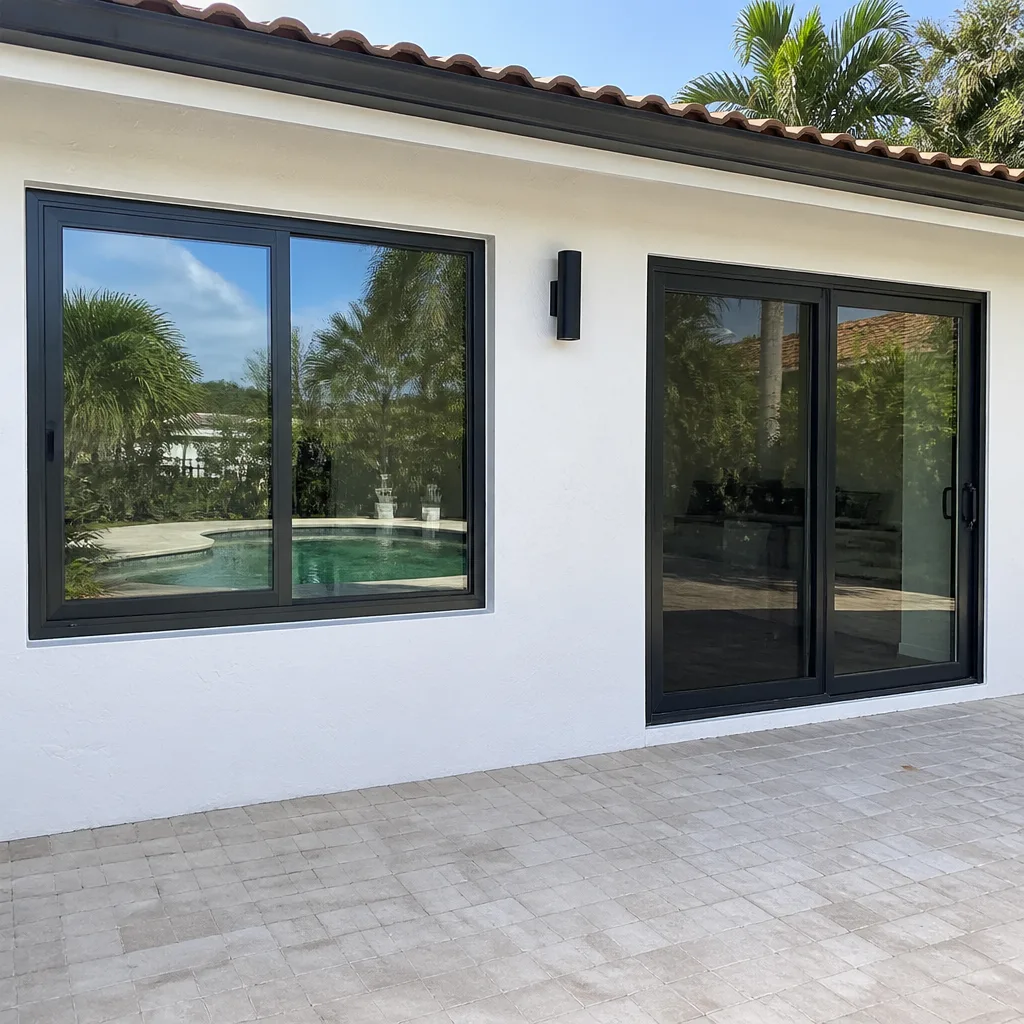 After
Seasonal Windows & Doors Care for Hollywood: Year-Round Homeowner’s Guide
Most Hollywood homeowners replace windows and doors ten years too late, not because the frames failed, but because nobody ever told them what to look for season by season. Salt air does not announce itself. It works into tracks and hinges slowly, and by the time a window sticks or a door binds, the damage is already three layers deep. This guide lays out a month-by-month care routine built for Hollywood’s specific climate: the salt, the humidity, the afternoon storms, and the punishing August sun. You will learn what to check, when to check it, what you can handle safely, and which signs mean it is time to call in a professional before a small problem becomes a full replacement.
Quick Answer
Seasonal window and door care in Hollywood, FL means checking seals, tracks, weatherstripping, and hardware four times a year, with the heaviest attention in late spring before hurricane season and again in early fall after the worst of the heat. The most important tasks are cleaning salt and sand from tracks, lubricating rollers and hinges, checking caulk and weatherstripping for cracks, and test-closing every window and door before June 1. A consistent seasonal routine typically doubles the service life of coastal windows and doors, and it catches the small problems (fogged glass, sticky rollers, dry seals) before they turn into full replacements.
Table of Contents
- Why Hollywood Is Harder on Windows and Doors Than Most of Florida
- The Four-Season Care Routine: A Step-by-Step Calendar
- Spring Prep: Getting Ready Before Storm Season
- Summer: The Toughest Season on Seals and Hardware
- Fall: Recovery and Repair After the Heat and Rain
- Winter: The Cheapest Time to Fix What Summer Broke
- Signs It Is Time to Replace Rather Than Repair
- Common Mistakes to Avoid
- When to Call a Professional
- Frequently Asked Questions
- The Bottom Line
Why Hollywood Is Harder on Windows and Doors Than Most of Florida
Hollywood sits between Fort Lauderdale and Miami, close enough to the Atlantic that the breeze is a selling point and the salt is a constant tax on everything metal, vinyl, and wood on your house. Add the Hollywood-specific combination of high year-round humidity, intense UV exposure, and afternoon thunderstorms that arrive with almost no warning from late May through October, and you have an environment that works against window seals, door hinges, and finish coatings even when nothing appears wrong from the street.
We have seen homes in Hollywood Lakes and Emerald Hills with original aluminum frames from the 1980s, and homes in the 33020 zip code with hurricane-rated impact units installed in the last five years. The newer units are built better, but they are not maintenance-free. Salt still eats at the track hardware. Sand from beach trips still grinds against rollers. The sun still bakes the exterior caulk until it cracks and lets rainwater behind the frame where you cannot see it.
The key Hollywood-specific facts every homeowner should know:
- Salt air accelerates corrosion. Homes within two miles of the coastline (including most of Hollywood east of US-1) see hardware corrosion 2-3 times faster than inland homes in Miramar or Pembroke Pines.
- Humidity means seal failures show up early. A double-pane window that starts to fog between the glass usually fails within 5-8 years in Hollywood’s climate, compared to 10-15 years in drier climates.
- UV degrades caulk and weatherstripping fastest. South-facing windows and doors on homes in Hollywood get hit hardest. We replace more dried-out exterior caulk on south-facing elevations than any other single repair.
- Storm season is the real test. Windows and doors that are marginally functional in March will show their true condition by mid-August, after the first few wind-driven rain events.
These conditions come with a regular pace. They are predictable. The routine below is built for the Hollywood climate, not imported from a general national guide. It is what works here.
The Four-Season Care Routine: A Step-by-Step Calendar
Windows and doors in Hollywood do not need monthly attention. They need the right attention at the right four points in the year. The logic is simple: prep before the hardest season, inspect after the hardest season, and use the mild months to make the fixes. Here is the full year mapped out.
The Hollywood Seasonal Calendar
- Late April to early May (Spring Prep): Clean every track, test every lock, inspect every seal, lubricate every roller and hinge. Fix anything questionable before June 1.
- Mid-August to early September (Summer Checkpoint): A quick mid-storm-season inspection. Look for water intrusion, listen for wind rattle, check doors that might have shifted. Catch what you can before the hurricane season peak.
- Late October to November (Fall Recovery): The most thorough inspection of the year. Salt residue from summer wind, dried-out seals, rust starting on hardware, fog developing between panes. This is the time to schedule repairs.
- January to February (Winter Service Window): Use the coolest, driest months of the Hollywood year for any repair or replacement work. Installation crews move faster, sealants cure better, and material lead times are shorter.
Each of the four seasons gets its own deep-dive section below, but the overall mental model is simple: prep in spring, monitor in summer, repair in fall, replace in winter. That rhythm alone, held to for five years, will save most Hollywood homeowners a full window replacement that never needed to happen.
Spring Prep: Getting Ready Before Storm Season
In Hollywood, spring is not a suggestion. The hurricane season runs from June 1 through November 30, and the afternoons start throwing thunderstorms reliably by late May. Everything you do in April and early May is about making sure the house is sealed and sturdy before the first big wind event hits.
Your spring checklist, in order:
- Clean every window track and door threshold. Sand, salt, dead leaves, and the fine gray dust that collects in Florida lanai and patio tracks will grind rollers and bind sliding doors. Vacuum the tracks, wipe with a damp cloth, and finish with a dry cloth. Do not leave moisture sitting in the track.
- Test every lock and latch. Open and close every window, slide every patio door, swing every entrance door. Any stiffness, grinding, or misalignment in Hollywood spring means real trouble by mid-July. A window that sticks now will not loosen up; it will bind harder as the frame expands with heat and humidity.
- Inspect weatherstripping on all exterior doors. In Hollywood, the afternoon thunderstorm arrives as a wall of horizontal rain. Worn weatherstripping on a front door or garage entry door lets water in at the exact spot where the floor meets the frame. Check for gaps, cracks, or stripping that has flattened out and lost its spring.
- Check exterior caulk. Walk the outside of the house and look at every window and door perimeter. Caulk that is cracked, peeling, or pulling away from the frame is an open invitation for wind-driven rain. In Hollywood, where a summer storm can dump two inches of rain in thirty minutes, failed caulk becomes an interior water damage problem quickly.
- Lubricate rollers, hinges, and locks. Use a silicone-based lubricant, not oil. Oil attracts dirt and sand, which turns into grinding paste in a coastal climate. A light silicone spray on sliding door rollers, window hinges, and deadbolt internals will keep hardware moving freely for six months.
Spring is also the right time to address any window or door that barely survived the previous summer. If a sliding glass door needed two hands and a hip-check to open last August, schedule the repair in May. Waiting until the middle of storm season means longer lead times and, in our experience, a higher chance of water intrusion while the issue is pending.
Summer: The Toughest Season on Seals and Hardware
Summer in Hollywood is an endurance test. The average high in July and August sits right around 90 degrees, but the real damage comes from the combination of temperature swings, humidity, and salt-laden wind. A window that sits in direct sun all day can reach surface temperatures 40 degrees higher than the indoor conditioned air. That daily expansion-contraction cycle is what kills seals and warps frames over time.
During the summer months, homeowners in Hollywood should focus on monitoring rather than major work. July and August are not the months to undertake a full window replacement unless something has failed completely; the heat makes sealants set too fast, and installation cleanup is slower. But they are the right months to watch for warning signs.
What to watch for during Hollywood summers:
- Interior condensation on double-pane glass. Condensation on the inside surface of the room-side pane is normal when you run AC hard. Condensation between the two panes is not. It means the seal has failed, and the inert gas that gives the window its insulation value has escaped. In Hollywood, we see more seal failures reported between June and September than in the rest of the year combined.
- Doors that start to bind at the top or latch side. Heat expands frames. A door that fit perfectly in March can start rubbing in July, especially if the door faces south or west. Forcing it closed grinds metal and bends hardware. The fix is a simple adjustment in most cases, but left alone for a full summer, a binding door can warp permanently.
- Water intrusion after afternoon storms. After a heavy Hollywood thunderstorm, check the interior window sills and door thresholds. Any water that made it inside, even a small puddle, tells you the seal, the weatherstripping, or the frame flashing needs attention. Water that enters behind the frame and sits in the wall cavity is invisible for years and does the worst damage.
- Rattling in wind. If a window or door rattles when the wind gusts, the weatherstripping or glazing is not seating properly. In a storm, a rattling window is the first thing to leak and a sign the unit is not holding the way it should.
Summer maintenance in Hollywood should be light-touch: wipe salt off hardware after especially windy weeks, check that nothing new has appeared, and keep a running list of issues to address in the fall. If something fails badly during summer, deal with it then. A failed seal or a door that will not latch is not a “wait until fall” problem. The TruePane Windows & Doors home service team handles summer repairs throughout Hollywood the same week the call comes in.
Fall: Recovery and Repair After the Heat and Rain
By late October, the worst of the Hollywood summer is over. The afternoon storms taper off, the humidity drops to something a human body can tolerate, and the punishing sun angle shifts. This is the time for the most careful inspection of the year, not because anything new is coming, but because the summer has just finished testing every window and door on your house for four straight months.
Fall is when you find out what summer broke. The repair list you kept during the hot months comes due now.
The fall recovery routine:
- Do a full exterior walk-around. Look at every window and door from the outside. Check caulk lines after a full summer of UV exposure. Check for warping, especially on west-facing doors that got hit with direct afternoon sun day after day.
- Clean salt from everything metal. Hurricane-season wind carries Atlantic salt across Hollywood from the beach all the way inland past 95. It settles on door hardware, window locks, hinges, even the heads of the screws in the frame. Wipe it all down with a damp cloth, dry it, and apply a light silicone protectant.
- Reinspect every seal. Fog between panes, brittle weatherstripping, cracked glazing, and worn door sweeps. Anything that faded over the summer gets documented now.
- Check for insect intrusion. The summer heat drives pests indoors, and tired weatherstripping is the easiest entry point. If you see ants or palmetto bugs near a door or window, trace the line back to the gap they are using.
- Schedule repairs for winter. Once you know what needs work, book it for January or February. Hollywood is a seasonal market; fall is when smart homeowners get on the books before repair crews and installers fill their winter schedules.
The fall inspection is the one that saves money. A fogged pane caught in November costs far less to address than a fogged pane ignored until the next hurricane season. A door that is starting to bind can still be adjusted. Hardware with light surface rust can still be cleaned and coated. Catch it in fall, and you are ahead of the calendar.
Winter: The Cheapest Time to Fix What Summer Broke
Winter in Hollywood is subtle. You will not see frost, and the temperature rarely drops below 50 degrees even at night in January. But the seasonal shift matters for one reason: winter is the best installation and repair window in South Florida.
Here is the logic. The mild winter temperatures mean sealants and adhesives cure slowly and evenly, which produces a better bond than the flash-set that happens in 90-degree heat. Crews work faster when they are not stopping for water every twenty minutes. Material lead times are shorter because the whole Florida construction industry slows down after the holiday season. And homeowners get better scheduling flexibility because demand drops.
What to schedule for Hollywood winters:
- Full window replacements. If the fall inspection turned up failed seals, warped frames, or windows that have reached the end of their service life, January and February are the months to get the work done. You avoid the summer rush and have the new units installed and tested long before the next storm season.
- Patio and sliding door replacements. These are the hardest-working doors in a Florida home, and they often need full replacement rather than repair. Winter installation means you are not fighting the August heat while your primary outdoor access is out of service for a day.
- Hardware upgrades and adjustments. Locks, rollers, hinges, and the small components that wear faster in salt air. These small jobs get done faster and cheaper during the winter service window.
- Energy-efficiency upgrades. If your summer AC bills made you wince, winter is the time to upgrade to energy-efficient windows. You will not feel the benefit during the installation, but by next summer, the difference in indoor temperature stability and cooling costs is measurable. We have helped homeowners throughout Hollywood Lakes and the 33020 area cut seasonal cooling costs with properly installed units from manufacturers like Simonton and Milgard, both of which hold up well in coastal conditions.
If you do nothing else with this guide, take away this: catch problems in fall, fix them in winter, and verify everything in spring. That single cycle, repeated every year, will keep your windows and doors on the house longer than they were designed to last.
Signs It Is Time to Replace Rather Than Repair
Not everything should be repaired. Some windows and doors reach a point where the repair cost, the repair risk, and the remaining service life tell you that replacement is the right call. Knowing the difference is the difference between spending hundreds on a fix that lasts three years and spending thousands on a replacement that lasts twenty.
These are the replacement triggers we have seen most often in Hollywood homes:
- Fog between the panes on multiple windows. One fogged window might be a fluke. Three or four means the entire generation of windows is reaching end of life, and repairing them one at a time costs more per window than a batch replacement.
- Visible frame rot or corrosion. Aluminum frames in coastal Hollywood eventually corrode, especially in older homes east of Federal Highway. Once the metal is pitting, the structural integrity of the frame is gone. Caulk cannot fix that.
- Operation that requires real force. If you have to brace yourself to open a sliding door, or if a window will not stay up without a prop, the hardware and tracks are beyond simple adjustment. Forcing them creates stress on the frame and the glass.
- Water intrusion that keeps coming back. If water is getting in around the same window after multiple caulk and seal repairs, the problem is likely the installation itself, not the visible seal. The fix is a proper removal, reframing, and replacement.
- Age. Non-impact windows that predate the 1994 South Florida building code changes are now 30-plus years old and almost certainly not rated for Hollywood’s wind loads. Even if they still work, they are the weak point when the next hurricane tracks toward Broward County.
Replacement in Hollywood is a real investment, but it is also the one that pays back in three ways: lower cooling costs, better storm protection, and higher resale value when you eventually list the house. And when it is time, doing it right matters more than doing it cheap.
Common Mistakes to Avoid
Most of the window and door failures we see in Hollywood could have been avoided. Not by expensive maintenance, but by not making the same common mistakes. Here are the ones that cost homeowners the most, in our direct experience.
- Skipping spring prep because “the windows worked last year.” Hollywood windows that work in March can fail in July. The expansion from heat, the stress from wind, and the constant salt exposure do not show up gradually all year. They show up suddenly during the hardest season.
- Using oil-based lubricant on coastal hardware. WD-40 and similar products feel like the right call, but oil attracts sand and salt, which turns into grinding paste inside rollers and lock cylinders. Silicone spray is the right product for Hollywood, and it costs the same.
- Ignoring a fogged pane. A single fogged window is not just a cosmetic issue. It means the seal has failed, the window has lost its insulating gas, and the glass is now just two panes of glass with air between them. It is also a sign that other windows from the same era are next.
- Waiting until a door is fully stuck to call for service. Binding doors are fixable with an adjustment early on. Once the door has been forced for months, the frame, hinges, and latch all develop wear that requires more invasive work, sometimes full replacement.
- Caulking over old, failing caulk. New caulk does not bond to old, brittle caulk. It peels within a season. The old caulk has to come off, the gap cleaned, and fresh caulk applied to a clean surface. Skipping the removal step is the most common DIY mistake we correct in Hollywood homes.
- Assuming impact windows never need maintenance. Impact-rated units are stronger, not maintenance-free. Their tracks, hardware, and seals need the same seasonal attention as non-impact units. The replacement cost of an impact window is high enough that extending its service life pays for the maintenance many times over.
When to Call a Professional
Some tasks on this list are right for a careful homeowner. Cleaning tracks, wiping down hardware, checking weatherstripping, and doing a visual inspection are all reasonable DIY territory. But there are times when the right move is to stop and call someone who does this work every day. If you see fog between panes, recurring water intrusion, a door that will not latch even after adjustment, or any sign of frame rot or corrosion, do not try to force a fix. Glass, particularly large sliding door and window panels under tension, can crack or shatter unpredictably when a frame is out of alignment, and the risk is not worth it. TruePane Windows & Doors offers free estimates in Hollywood, and a technician can tell you in one visit whether a unit is worth repairing or should be replaced. Call (863) 334-2933 and a live person will answer, any time, day or night.
Frequently Asked Questions
Clean tracks twice a year at minimum: once in late April before storm season and once in late October after the salt-laden summer wind has settled. Homes within two miles of the coast, including most of Hollywood east of US-1, benefit from a light third cleaning mid-summer because salt builds up faster there. Call (863) 334-2933 if you notice grinding or stiffness that cleaning does not resolve, as that points to worn rollers rather than debris.
Sliding doors in Hollywood stick in summer because the aluminum or vinyl frame expands with heat, and that expansion reduces the clearance between the door panel and the track. A door that slides easily in January can bind by July, especially on south and west-facing exposures. The fix is usually a simple track and roller adjustment, and it is worth doing early in the summer rather than forcing the door, which bends hardware and makes the correction more expensive. Call (863) 334-2933 for a free assessment before the binding turns into a full replacement.
Window repair costs in Hollywood typically run between $180 and $600 depending on the issue, with common fixes like weatherstripping replacement and track cleaning on the lower end, and glass replacement or hardware overhauls on the upper end. Full window replacement runs higher, and the right way to get a real number for your specific windows is a written line-item quote. TruePane Windows & Doors provides free estimates in Hollywood with no obligation, so you know exactly what a repair or replacement will cost before any work starts.
You can keep wooden windows in Hollywood, but they require significantly more maintenance than aluminum, vinyl, or impact-rated units, because salt air and humidity attack wood frames and sashes constantly. Homes in Hollywood Lakes and other neighborhoods east of US-1 with original wood windows need annual inspection and frequent repainting or sealing to stay functional. If the wood has already started to rot, replacement is usually the lower-cost option over time, and TruePane offers side-by-side quotes on wood, vinyl, and impact lines so you can compare.
The best window material for coastal Hollywood is impact-rated aluminum or vinyl, because both resist salt corrosion better than untreated wood and because impact ratings meet Broward County wind-load requirements. Some homeowners prefer the look of wood interiors, and in those cases, clad-wood units from manufacturers like Marvin or Jeld-Wen are the right compromise. TruePane is an authorized installer for multiple lines and can walk you through the tradeoffs at your kitchen table before you commit to anything.
You do not need impact windows if you have functioning storm shutters, but impact windows add protection even when shutters are not installed, and they do the dual job of improving energy efficiency and reducing outside noise all year. Many Hollywood homeowners keep their shutters as backup and upgrade to impact glass over time, typically starting with the largest windows and doors. The correct choice depends on your house, your window sizes, and your budget, and a free in-home estimate from TruePane is the fastest way to get a straight answer without pressure.
The Bottom Line
Seasonal care is not complicated, but it is specific. In Hollywood, the salt air, humidity, UV, and storm season combine to test windows and doors harder than almost any climate in the country, and the homeowners who stay ahead of it are the ones who rarely pay for emergency replacements. The rhythm is simple: prep in late spring, monitor through summer, repair in fall, and replace in winter. Track what you find each season, fix the small things promptly, and do not force anything that is binding or sticking. Do the routine consistently, and you will get decades out of units that would otherwise fail early. Skip it, and the ocean wins, slowly and expensively. The standard here is straightforward: if the pane is not true, the job is not done. That applies to maintenance, too.
Written by the team at TruePane Windows & Doors.
Six Reasons Homeowners Choose TruePane Windows & Doors
Impact systems engineered to design pressures up to +/-100, matched to your wind zone - your openings hold when the storm arrives.
Low-E insulated impact glass from our manufacturer lines commonly cuts monthly cooling bills 20-30%.
Laminated impact glass shuts out up to 40% of outside noise - traffic, neighbors, weather.
Monitoring services run $30-90 a month. Laminated impact glass resists forced entry around the clock, with no subscription.
Florida homeowners average around 25% savings on the windstorm portion of their policy after protecting every opening - some homes qualify for more.
A full impact package upgrades curb appeal, buyer confidence and appraised value in one project.