
Last updated August 27, 2026
Free in-home measure and quote - PGT, CGI and CWS impact lines compared on your actual openings, style by style
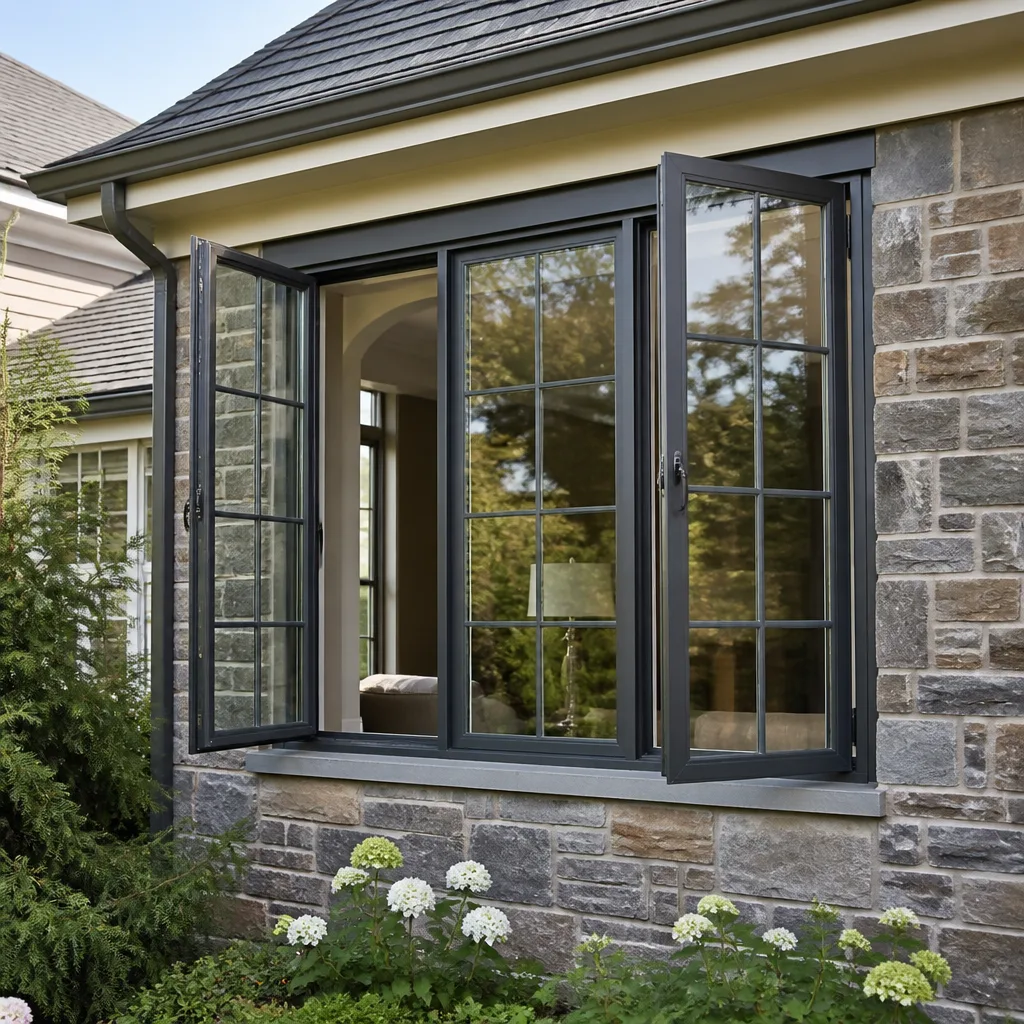
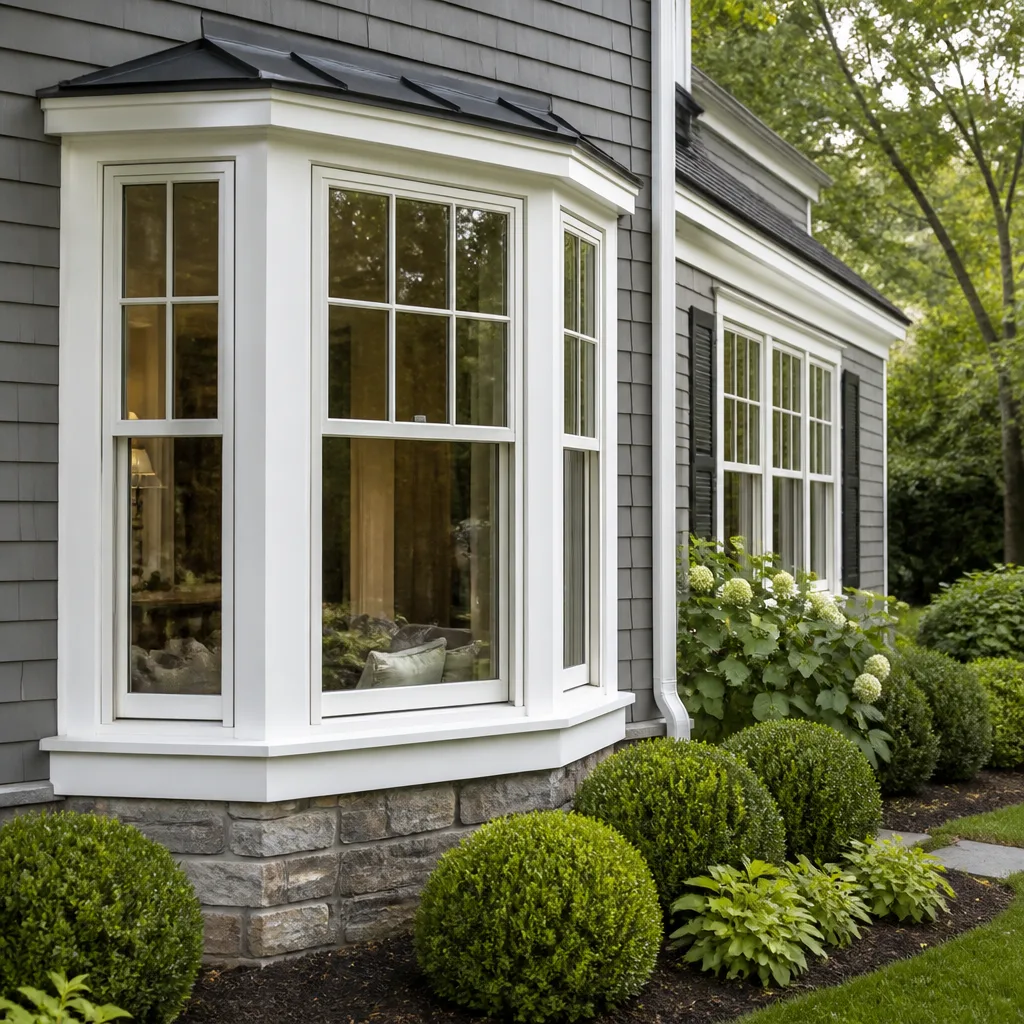
Sliding glass doors

Impact garage doorsPGTCGI
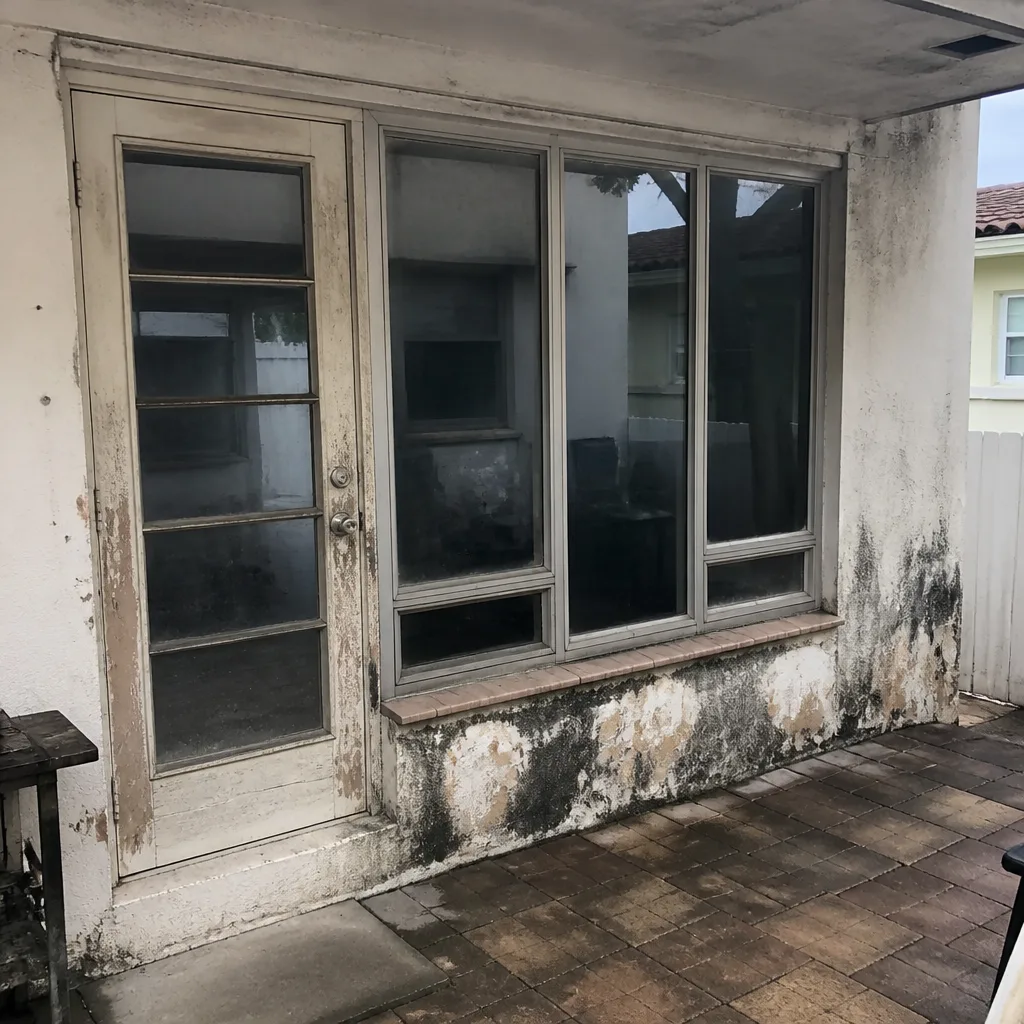 Before
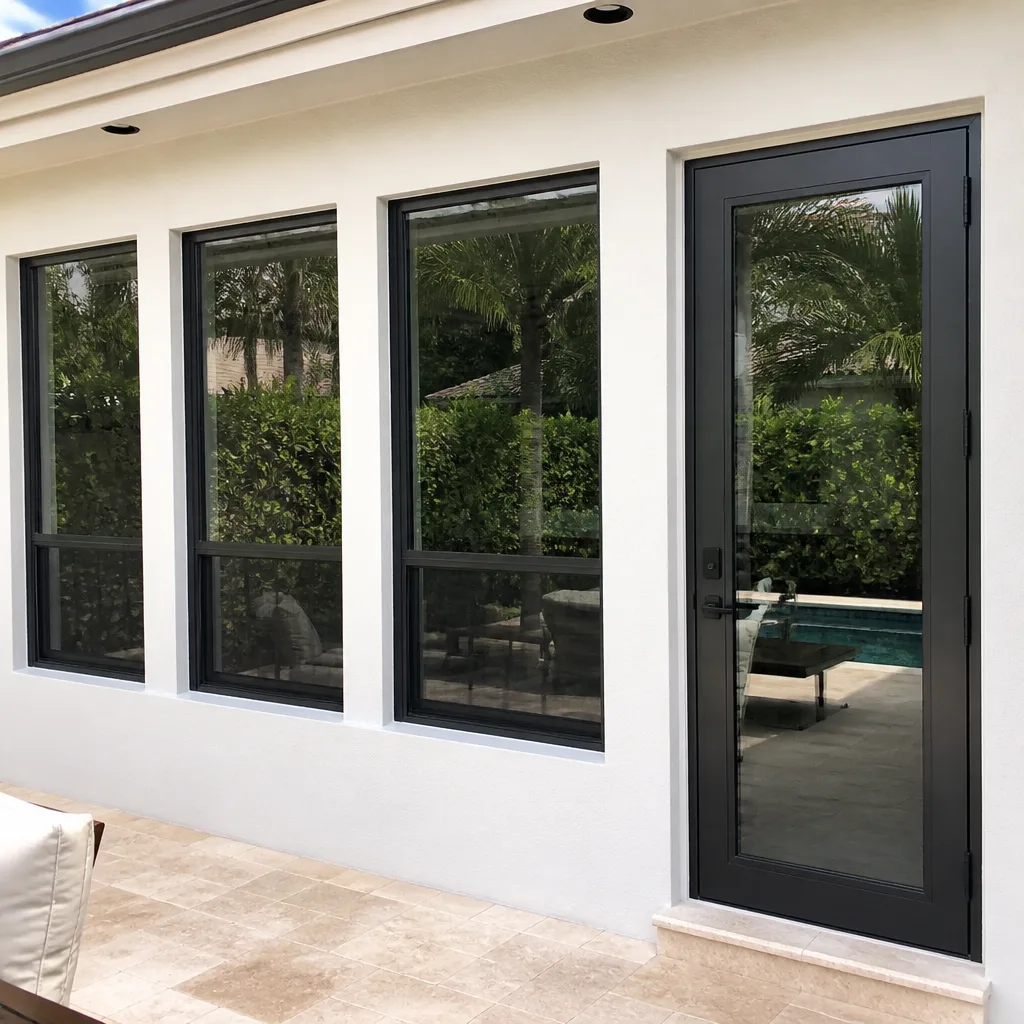 After
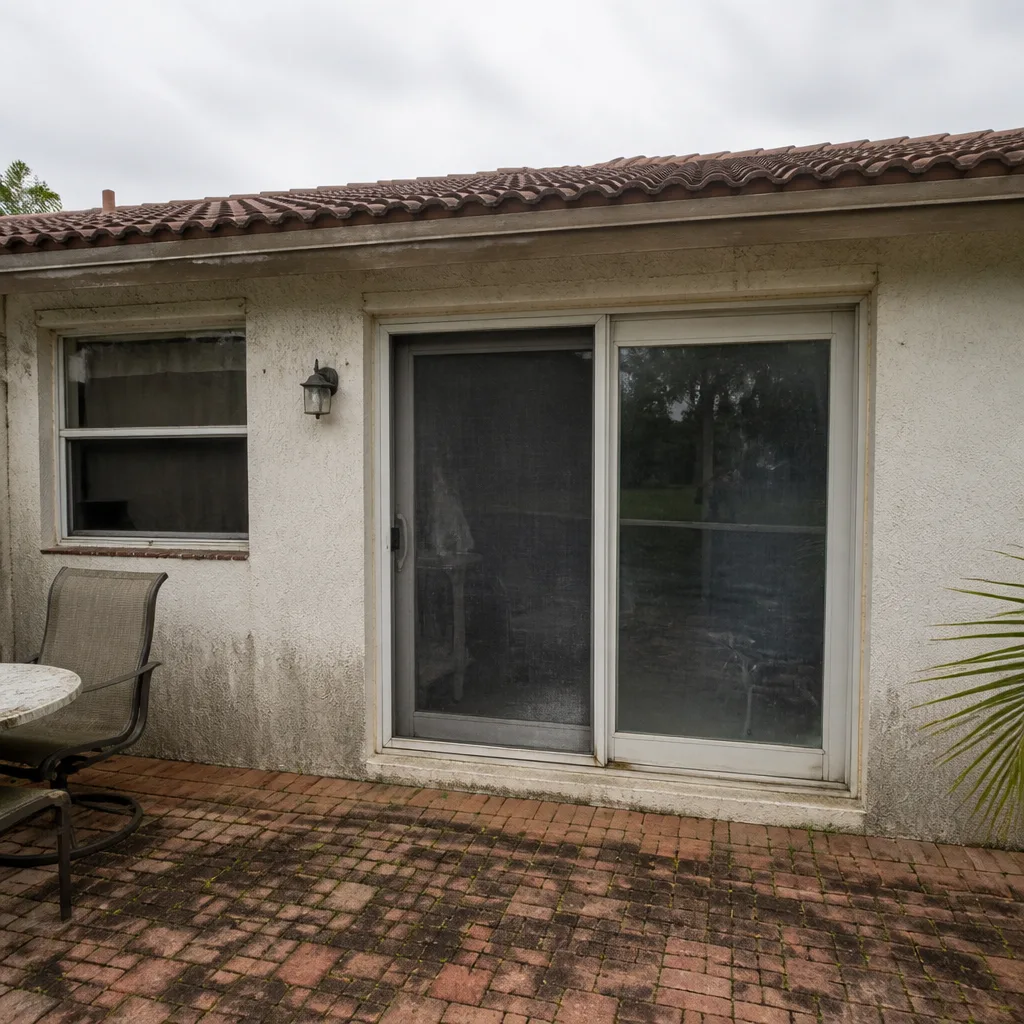 Before
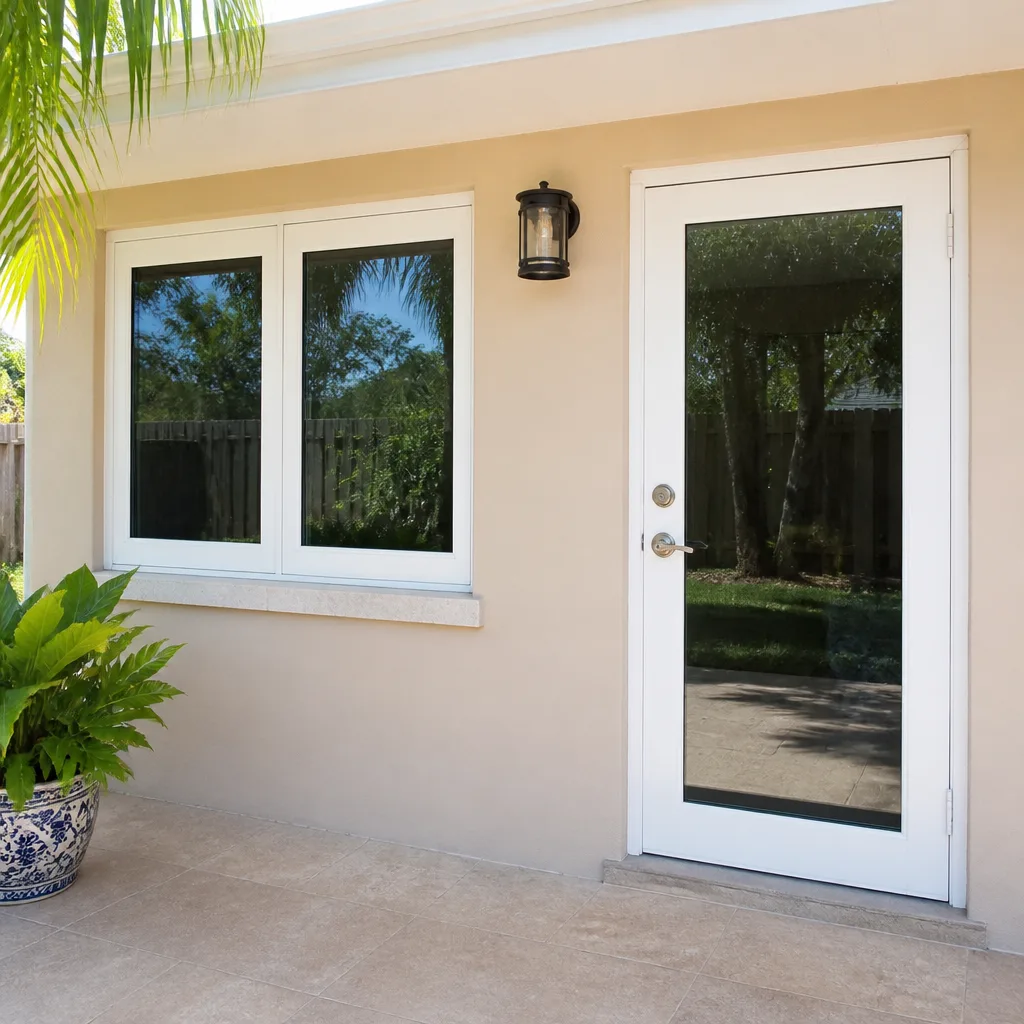 After
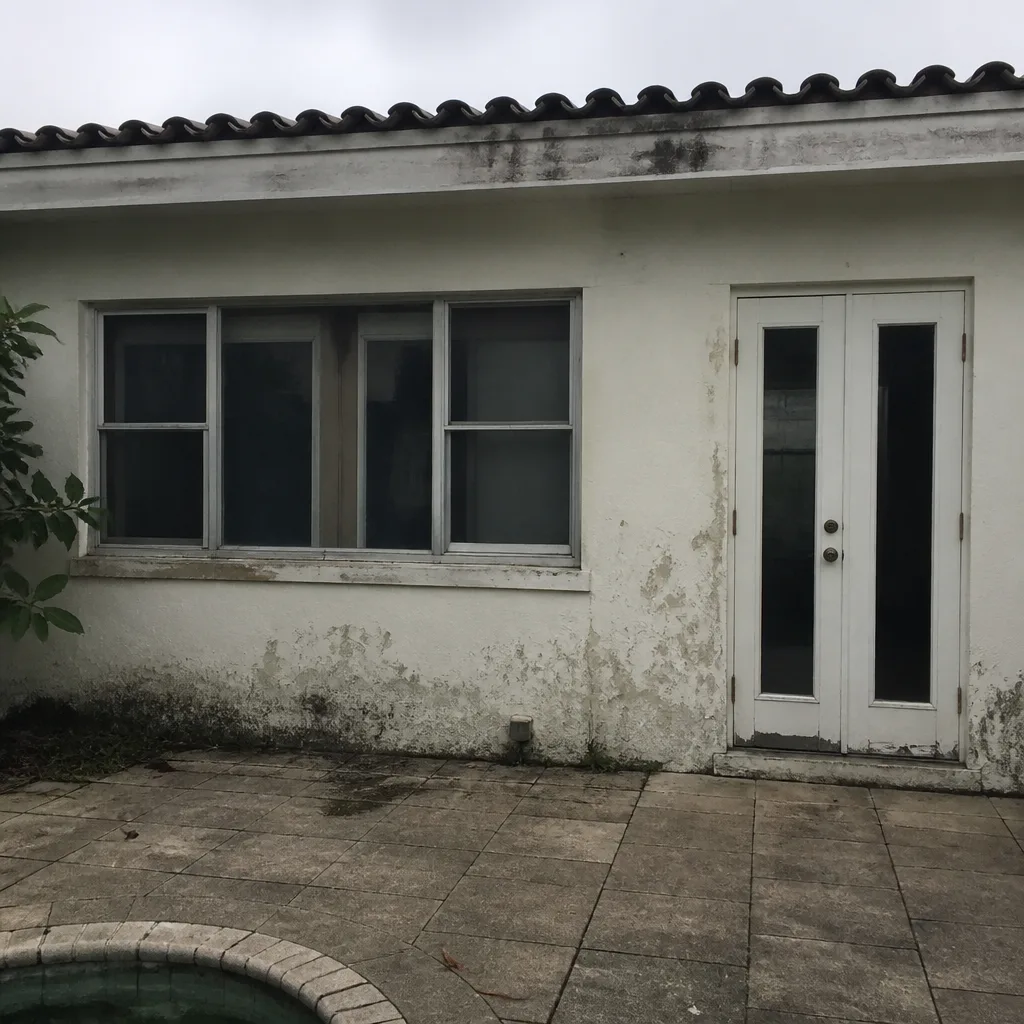 Before
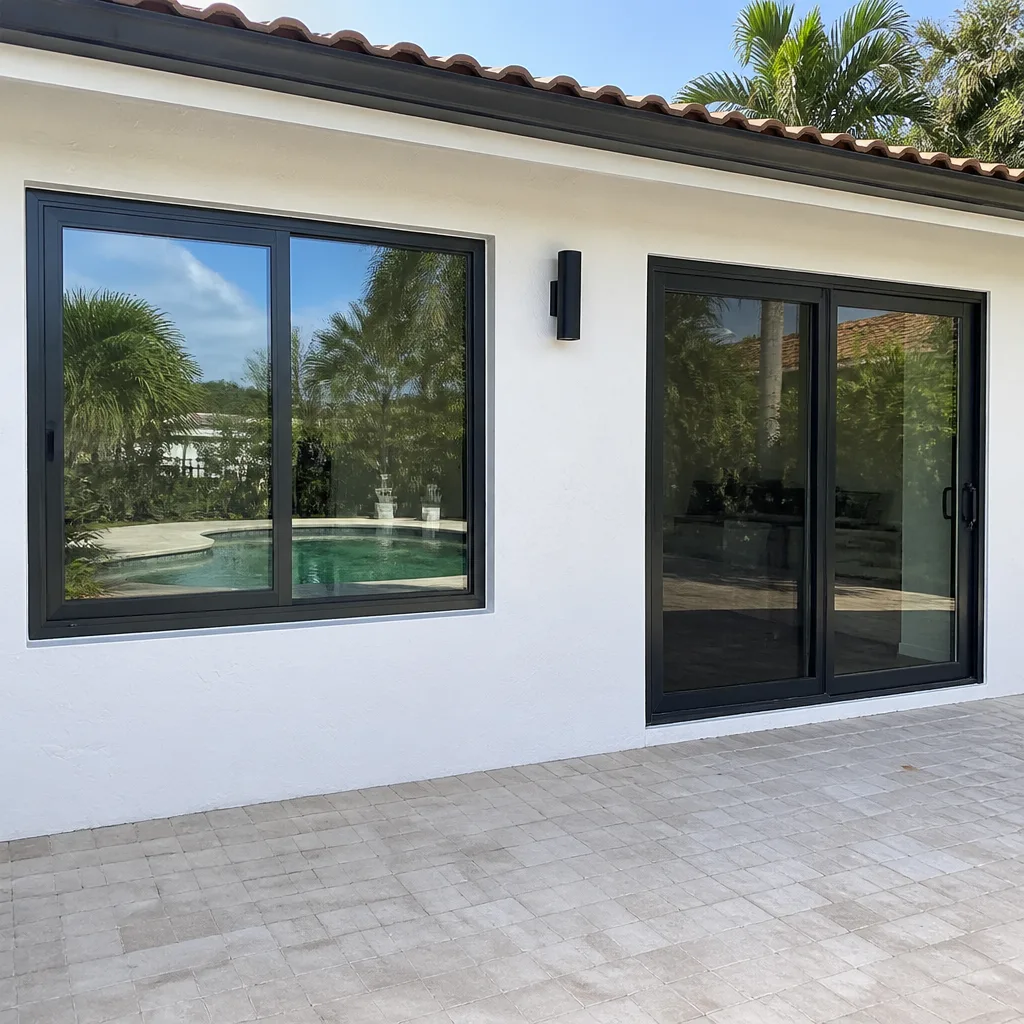 After
Window Installation Maintenance Checklist for Hollywood Homeowners
Most Hollywood homeowners replace windows about once every 20 to 25 years, but the real cost driver isn’t the glass or the frame. It’s what happens in the 3 to 5 years after installation when maintenance gets skipped. Salty Atlantic air, relentless UV exposure, and hurricane-season pressure swings work together to eat caulk beads, dry out weatherstripping, and settle frames out of square. This guide covers what to check, when to check it, and which fixes prevent a five-figure replacement down the line. We’ve put this together from years of working on homes across Hollywood, from Lakeshore Drive to the neighborhoods off Taft Street.
Quick Answer
A window installation maintenance checklist for Hollywood should cover six things: caulk seal inspection, weatherstripping condition, weep hole clearance, frame squareness, glass seal integrity, and hardware function. Walk the full exterior twice a year, once before hurricane season and once after, and address the small issues immediately. Most of what keeps a window healthy for two decades takes under ten minutes per window if you know what to look for.
Table of Contents
- Why Hollywood’s Climate Is Harder on Windows Than You Think
- The Twice-Yearly Walk: What to Check, In What Order
- Caulk and Exterior Seals: The First Line of Defense
- Weatherstripping and Air Infiltration
- Weep Holes and Drainage: The Least Understood Part of a Window
- Frame Squareness and Operation: Catching Settling Early
- Glass Seals and Condensation: When Fog Means Failure
- Hardware and After-the-Storm Checks
- Common Mistakes to Avoid
- When to Call a Professional
- Frequently Asked Questions
- The Bottom Line
Why Hollywood’s Climate Is Harder on Windows Than You Think
Hollywood sits in a narrow band where three environmental stresses meet. First, there’s the salt. Homes within three miles of Hollywood Beach get airborne chloride that settles on window frames, tracks, and hardware. Left alone, it pits aluminum, corrodes steel rollers, and turns once-smooth sliding tracks into grinding channels. It takes years off window hardware that would last decades inland.
Second, there’s the UV load. Florida sun breaks down sealants faster here than nearly anywhere else in the country. A caulk bead that might hold for eight years in Minnesota will often crack and pull away in three to four years in Hollywood, especially on west-facing elevations. This isn’t a guess. It’s what we see on home after home when we come in to assess windows that weren’t maintained.
Third, there’s the pressure. Hurricane season brings rapid barometric shifts. Windows with any small gap become pressure relief points, which over time widens those gaps and strains the frame. Add in the daily expansion and contraction from heat cycling, and a window installed off-square by even a quarter inch will start to bind within a few years.
None of this means Hollywood homeowners need to replace windows more often than anyone else. It means the maintenance schedule has to be more consistent. Twice a year, without exception.
The Twice-Yearly Walk: What to Check, In What Order
We recommend two full walks per year. The first is in April or early May, before the first named storm of the season. The second is in November, after the season ends and before the dry winter air sets in. Each walk takes about 30 to 45 minutes for the average Hollywood single-family home.
Here’s the order we follow on every service call, because it catches the most common failures first:
- Stand back and look at the window from 15 feet away. Check for visible racking, a frame that is not parallel to the surrounding stucco line, or glass that reflects at an odd angle compared to neighbors.
- Run your hand along the interior perimeter of each frame. Feel for drafts. In Hollywood’s heat, place your hand near the frame on a warm humid day and feel for any spot that’s cooler than the surrounding wall. That’s conditioned air leaking out.
- Open and close every operable sash. It should move smoothly, stay put when opened halfway, and close without slamming. Lift resistance or a sash that drops is the first sign of spring and balance wear.
- Check the exterior caulk line. Look for cracking, pulling away from the stucco or trim, gaps, or any spot where you can see daylight from inside. Run a finger along it. If it’s chalky and leaves a mark, the sealant is oxidizing.
- Inspect weep holes. We’ll cover this in detail below, but know that clogged weep holes in Hollywood are the number one cause of rotted window sills we see in coastal homes.
- Check glass seals for fog or moisture. On a humid morning, run a dry fingertip across the interior glass surface. If moisture is between the panes and won’t wipe off, the seal has failed.
Keep a simple notebook or phone note for each window. Note the date, what you found, and what you did. Nine months later, you’ll have a baseline that tells you if a problem is new or worsening.
Caulk and Exterior Seals: The First Line of Defense
Caulk is the cheapest maintenance item on a window and the most important. It seals the gap between the window frame and the rough opening. When it fails, water gets behind the frame and into the wall cavity. In Hollywood, where summer thunderstorms dump two inches of rain in an hour, that water finds its way into drywall, insulation, and wood framing.
A proper caulk job on a window in South Florida uses a sealant rated for exterior use and formulated for high-UV, high-moisture environments. We use 100% silicone or a polyurethane sealant depending on the substrate, never basic painter’s caulk, which hardens and cracks within a single Hollywood summer.
What to look for each spring and fall:
- Cracking or separation. Any gap between the caulk bead and the frame, stucco, or trim is an entry point for water and driven rain.
- Chalking. If the caulk leaves a white powdery residue on your finger, it’s oxidizing and losing flexibility. It will crack soon even if it hasn’t yet.
- Shrinkage. Sealant shrinks as it cures and ages. A bead that has pulled inward and no longer bridges the full gap is not doing its job.
- Mold or mildew on the bead. This signals trapped moisture behind or within the sealant, which means the seal has already been compromised, at least in that spot.
Re-caulking a window properly means removing the old bead completely, cleaning the surfaces, and applying a continuous bead without gaps. It’s a two- to three-hour job for the average home when done correctly. Done wrong, it’s a false assurance. If you’re not sure what product to use or how to prep the surface, a professional assessment costs less than the damage a leaking window causes in one Hollywood rainy season.
Weatherstripping and Air Infiltration
Weatherstripping is the gasket material that seals the movable parts of a window: the sash against the frame on double-hungs, the panel against the jamb on sliders, the leaf against the stop on casements. In Hollywood’s heat and humidity, it dries out, compresses, and loses its spring within five to seven years.
The test is simple. Close and lock the window, then hold a dollar bill in the opening and try to pull it out. If it slides out without resistance, the weatherstripping has compressed to the point where it’s no longer sealing. That means you’re conditioning the outside air, and outside air in Hollywood in August carries a dew point in the mid-70s.
Common failure points we see on Hollywood homes:
- Double-hung windows: The wool pile or foam strip along the meeting rail between upper and lower sash wears out from repeated opening and closing. This is the highest-wear surface on the window.
- Sliding glass doors and horizontal sliders: The pile strip along the bottom and the interlock wears unevenly, especially if the track gets grit in it. Owners of homes near Hollywood Beach see accelerated wear from sand and salt.
- Casement windows: The compression gasket around the leaf perimeter flattens permanently when windows are left closed for long periods. In Florida, where many homeowners keep windows closed and AC on for half the year, this is common.
Most weatherstripping on modern lines like Marvin, Milgard, and Jeld-Wen is replaceable as a service part, not a full window replacement. The repair is usually under $100 per opening. The energy loss from failed weatherstripping across a full house adds up to far more than that over a single air-conditioning season in Hollywood.
Weep Holes and Drainage: The Least Understood Part of a Window
Every modern window frame has weep holes. These are small slots or channels in the bottom track that let water drain out instead of collecting inside the frame. When they work, water from driving rain or condensation flows out and down the sill. When they clog, water pools inside the frame, saturates the interior wood or foam, and starts the process that rots sills and grows mold.
In our experience, clogged weep holes account for more water damage in Hollywood than failed caulk. Insects nest in them. Salt and sand from beachside air settle into them. Wind-blown debris packs them solid. The homeowner sees a small amount of water inside the track after a storm and assumes the window is defective. Usually, the window is fine. The drain is blocked.
Check each weep hole twice a year:
- Locate the weep holes. On vinyl and aluminum windows, they’re small rectangular slots on the exterior face of the bottom track. Some are hidden under a removable snap-in strip.
- Clear debris with a small plastic tool. Never use a metal screwdriver, which scratches the track and gives salt a place to start corrosion. A plastic toothpick, a zip tie, or a small brush works.
- Pour a small cup of water into the track. It should flow out the weep hole immediately. If it pools, the interior channel is blocked, not just the exterior opening.
- Run a thin wire gently through the channel. Work from outside in, then flush again.
If water won’t drain after clearing the visible opening, call a professional. Interior blockages sometimes require removing the sash or the track cover to reach the drain channel.
Frame Squareness and Operation: Catching Settling Early
Hollywood sits on a mix of limestone and sandy soil. Homes settle. It’s normal. But when a home settles, the window openings shift, and windows installed without proper shim allowance begin to bind. The first sign is rarely dramatic. It’s a window that takes slightly more effort to close in June than it did in January, or a latch that doesn’t line up the way it used to.
Check squareness with a simple visual: open the sash halfway and look at the gap between the sash edge and the frame. It should be even from top to bottom. If the gap is wider at the top than the bottom, or vice versa, the frame has racked. On double-hungs, operate both sashes and check that they meet evenly at the center rail.
A binding window is not a reason to panic, but it’s not something to ignore either. A professional can often re-shim or adjust the installation to restore operation if caught early. Left for years, the stress migrates into the glass, and you may find yourself with a stress crack, a popped seal, or a window that will not close and lock during the one storm you really need it to.
For impact-rated windows, proper operation is a safety issue, not just a convenience issue. A window that doesn’t close fully can’t do its job in a hurricane. If you have impact windows in Hollywood and one is binding, address it before the season starts.
Glass Seals and Condensation: When Fog Means Failure
Modern double-pane and triple-pane windows are built as sealed units. Two panes of glass with an air gap, usually filled with argon or krypton, sealed at the edges with a spacer. The seal keeps the insulating gas in and moisture out. When the seal fails, moisture gets between the panes and condenses into fog that will not wipe away.
A failed seal in Hollywood typically shows up first on the west and south sides of the house, where the glass takes the most thermal cycling. It can appear as:
- Permanent fog or haze between the two panes, worse in the morning before temperatures rise.
- Water droplets or streaks that stay between the panes and don’t respond to cleaning.
- A smoky or distorted look at certain angles, which is the result of the two panes shifting instead of sitting parallel.
- In rare cases, a slight bulging or bowing of the glass when viewed from an angle.
Condensation on the interior surface of the glass is different and is usually a humidity problem, not a seal problem. If water wipes off with your finger, it’s on the interior face. That’s the indoor humidity finding a cold surface to condense on. Adjust your indoor humidity settings before assuming the window is bad.
When a seal fails, the insulating performance of the unit is largely gone. The window still functions as a barrier against wind and water, but the energy performance drops significantly. Replacement of the glass unit is usually the fix, not a full frame replacement. We quote glass replacement separately from full window replacement so homeowners can see the difference on paper.
Hardware and After-the-Storm Checks
Window hardware in Hollywood takes abuse that interior-market hardware never sees. Salt air corrodes steel springs and rollers. UV breaks down plastic latches and handles. Sand from beachside breezes grinds crank mechanisms. A window that operated smoothly at install can become stiff and noisy within a few years if the hardware is ignored.
What to check on every window:
- Lock engagement. The lock should close with firm, positive engagement, not a loose rattle. Test it while pulling up on the sash. A lock that disengages under slight pressure is a security issue.
- Crank operation on casement windows. The crank should turn smoothly without grinding. Rust on the gear, visible through the housing, is a warning sign that it’s about to strip.
- Roller operation on sliders. The panel should glide, not rub. Grinding sounds mean the roller bearings are full of salt or sand and need replacement. Worn rollers scratch the track, which increases friction and makes the next roller fail faster.
- Balance springs on double-hungs. Raise the sash to three positions: a quarter open, half open, three-quarters open. It should stay put at each position. If it drops at any position, the balance is worn and needs service.
After any named storm passes through Hollywood, or any storm with sustained tropical-force winds, do a focused check on every window and door. Look for water staining around the frame, new gaps in the caulk, glass that appears to have shifted in the frame, and any window that now operates differently than before the storm. Storm damage is often incremental. A window that survived the wind but took a year off its seal life is a problem you want to find in October, not January.
Common Mistakes to Avoid
- Skipping the pre-season walk. Every May in Hollywood, we get calls from homeowners who discovered a failed latch or a clogged weep hole in August, during a storm. Checking in April costs an hour. Replacing a water-damaged sill costs a day of labor or more.
- Using the wrong sealant. Painter’s caulk, interior silicone, and general-purpose hardware store caulk will not survive a Hollywood summer on an exterior window frame. Use a product rated for exterior fenestration in a high-UV, high-salt environment.
- Painting over weep holes. It happens constantly. A homeowner paints the exterior window frames, and the painter fills the weep holes with paint. The window looks fine for a year, then starts showing water in the track after the first heavy rain. After any exterior paint job in Hollywood, check every weep hole before you pay the final invoice.
- Ignoring a foggy window because it still opens. A failed seal doesn’t stop the window from operating, so homeowners defer the repair. But a failed seal means lost energy efficiency, and in a home where AC runs nine months of the year, that’s real money. Replacing a glass unit costs less than most people expect.
- Lubricating tracks with WD-40. We see this a lot on Hollywood beachside homes. WD-40 attracts sand and salt, turning tracks into abrasive channels that destroy rollers. Use a dry silicone lubricant designed for window tracks, and clean the track first.
- Forcing a binding window. If a window used to close easily and now takes muscle, something has shifted. Forcing it closed bends hardware, scrapes tracks, and can twist the frame. Figure out why it’s binding before you close it again.
- Assuming a new window means no maintenance. The best window line on the market, installed perfectly, still needs its caulk checked, weep holes cleared, and hardware serviced in Hollywood’s climate. New windows reduce maintenance. They don’t eliminate it.
When to Call a Professional
Some maintenance items are DIY-friendly. Cleared weep holes, checking caulk beads, and testing window operation are all things a homeowner can and should do. But certain conditions call for experience. If you see water staining on drywall or flooring near a window, the issue has moved beyond the frame and into the wall cavity. If a window is truly binding and you can’t identify why, forcing it or shimming it yourself can make the problem worse. If you see fog between panes, the seal has failed, and replacing a glass unit is a job that requires proper measurements, gas fill considerations, and warranty handling.
TruePane Windows & Doors offers free estimates in Hollywood. If you have a list of questions from your twice-yearly walk, we’ll come out, look at what you’ve marked, and tell you what’s urgent and what can wait. Call (863) 334-2933 to schedule.
Frequently Asked Questions
Twice a year is the right rhythm for Hollywood: once in spring before hurricane season begins, and once in late fall after it ends. The climate makes semi-annual checks non-negotiable. If you live within a few miles of Hollywood Beach, the salt and sand load makes twice-yearly checks even more important.
The first sign is usually fog or haze between the two panes of glass that does not wipe off from either side, and is often most visible in the morning before temperatures rise. A failed seal means the insulating gas has escaped and the unit has lost most of its energy performance. Call (863) 334-2933 for a glass replacement estimate.
No, in most cases the glass unit can be replaced while keeping the existing frame, which costs less than a full window replacement and preserves the installation. The exception is an older window with a non-standard frame or one where the frame itself shows water damage. We quote glass replacement separately from full-window replacement so you can decide on the numbers.
Water pooling in the bottom track after rain almost always means the weep holes are clogged. These are small drainage slots in the bottom of the frame. When they’re blocked, water has nowhere to go. Clear them with a plastic tool and flush the channel. If the water still won’t drain, the interior channel is blocked and may need professional service.
After hurricane season ends, do a full walk and check every window for water staining, caulk gaps, glass that has shifted or developed fog, and any change in how smoothly the window opens and closes. Document anything you find. Address issues before the next spring so you’re not fixing problems during the next storm season.
Yes, you should lubricate your window tracks, but only after cleaning them, and only with a dry silicone lubricant made for this purpose. Avoid WD-40 and other oil-based sprays in Hollywood, especially near the beach, because they attract sand and salt and turn the track into an abrasive channel. If your rollers are already grinding, the fix is replacement, not lubrication.
In most Hollywood homes, a drafty feeling around a closed window is failed or compressed weatherstripping. The gasket material between sash and frame flattens over time and stops sealing. The fix is usually weatherstripping replacement, which is inexpensive and can be done per window without replacing the window itself.
No. Our estimates are upfront and itemized, and the price we quote is the price we charge. If we find something unexpected during a repair, we’ll come back to you with options before doing anything. We don’t do surprise line items on the final bill, because that’s not a square deal. Call (863) 334-2933 to see the numbers on paper before you decide.
The Bottom Line
Windows don’t fail suddenly in Hollywood. They fail gradually, in ways that are visible months or years in advance if someone is looking. The maintenance checklist is a habit, not a project: twice a year, walk the house, check the caulk, clear the weep holes, test the hardware, watch for fog. Caught early, nearly every problem is a repair, not a replacement. Missed, they become structural, and expensive. That’s where the real cost lives. Take the walk. Mark the issues. Fix the small things while they’re still small. If you’re not sure what you’re seeing, get a second set of eyes on it. The walk is free. The neglect is not.
If you want a professional to walk the house with you, TruePane Windows & Doors offers free estimates in Hollywood. Call (863) 334-2933 to schedule yours, or learn more about our services on the TruePane Windows & Doors home page.
Written by the team at TruePane Windows & Doors.
Six Reasons Homeowners Choose TruePane Windows & Doors
Impact systems engineered to design pressures up to +/-100, matched to your wind zone - your openings hold when the storm arrives.
Low-E insulated impact glass from our manufacturer lines commonly cuts monthly cooling bills 20-30%.
Laminated impact glass shuts out up to 40% of outside noise - traffic, neighbors, weather.
Monitoring services run $30-90 a month. Laminated impact glass resists forced entry around the clock, with no subscription.
Florida homeowners average around 25% savings on the windstorm portion of their policy after protecting every opening - some homes qualify for more.
A full impact package upgrades curb appeal, buyer confidence and appraised value in one project.