
Free in-home measure and quote - PGT, CGI and CWS impact lines compared on your actual openings, style by style
Sliding glass doors
Impact garage doorsPGTCGI
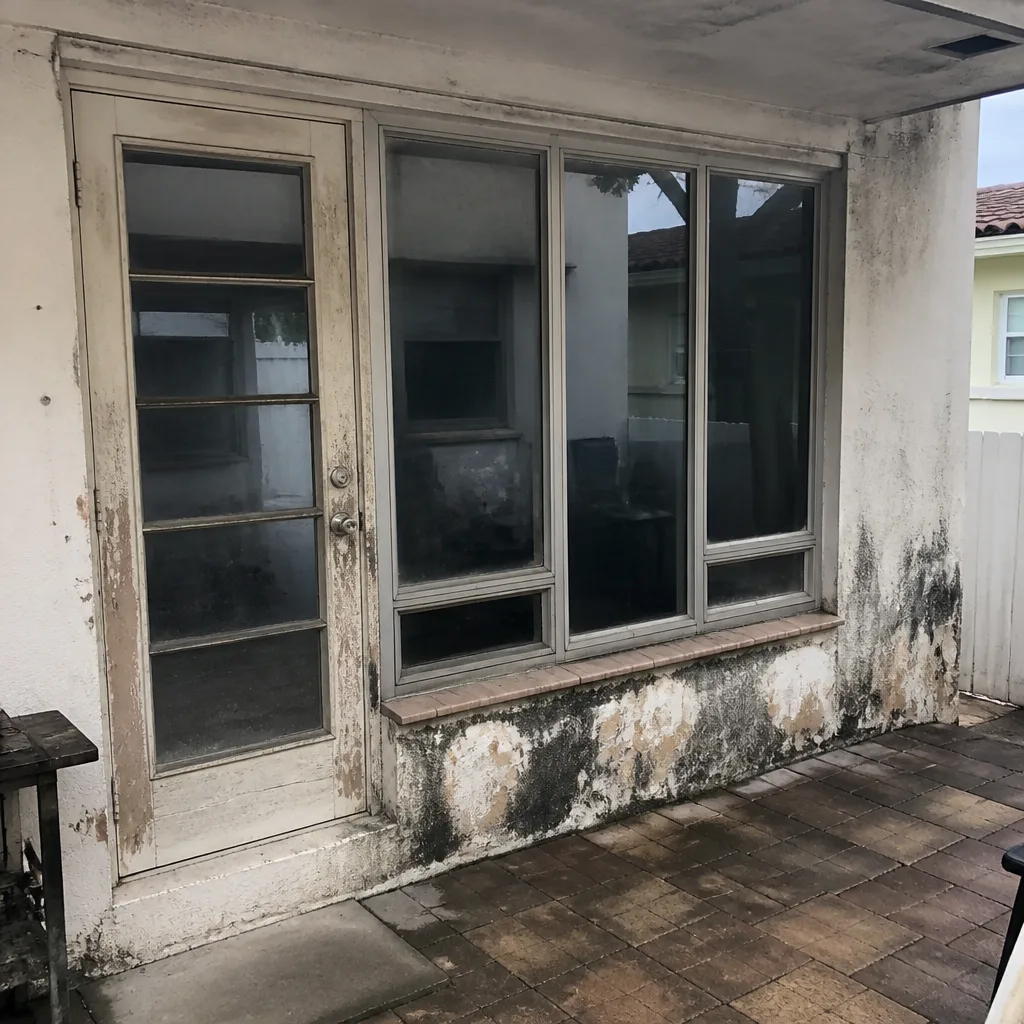 Before
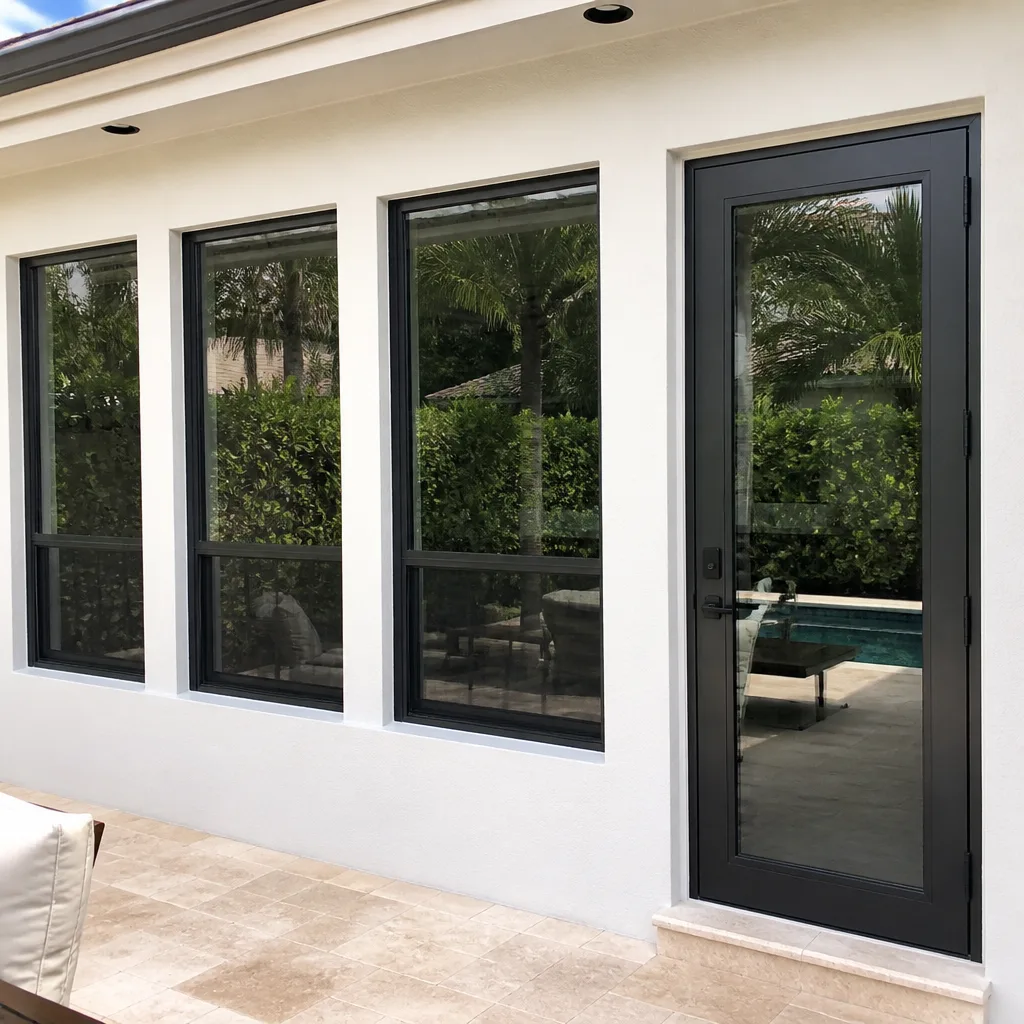 After
After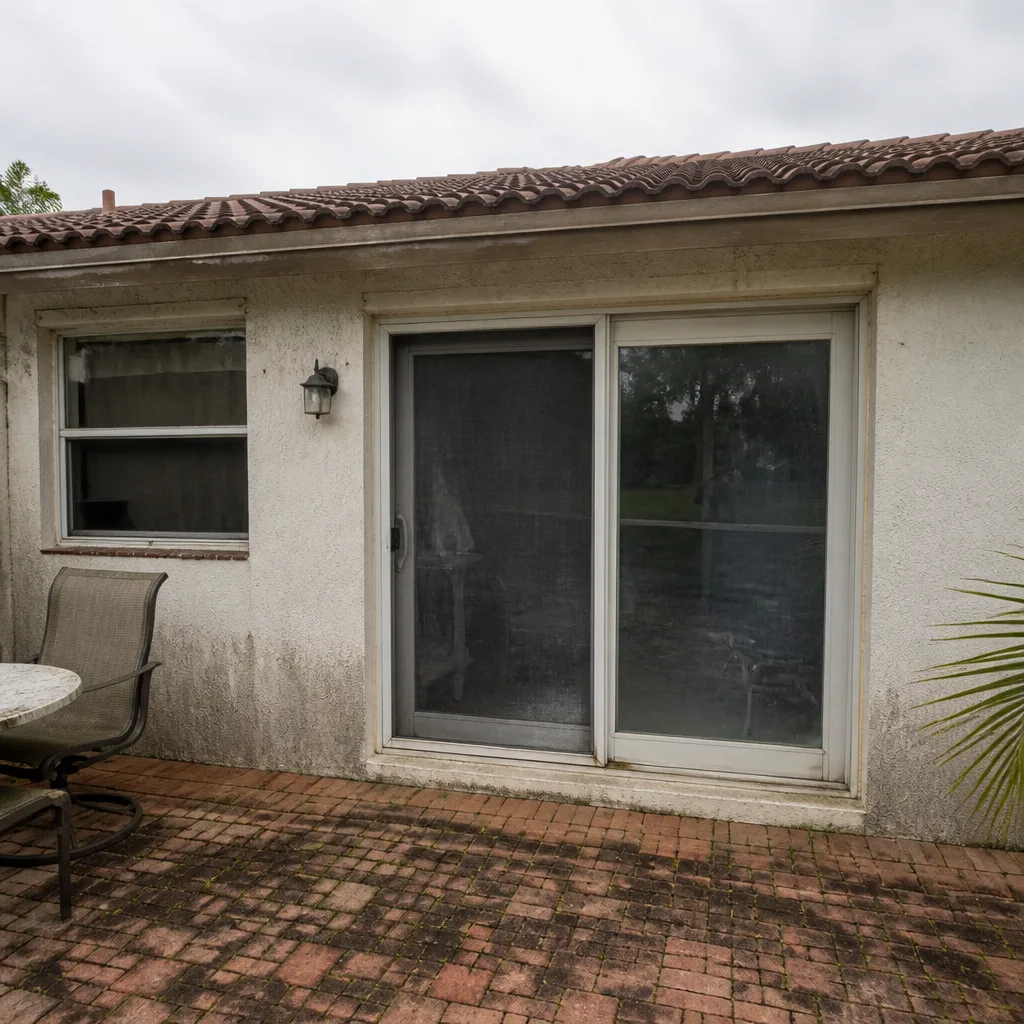 Before
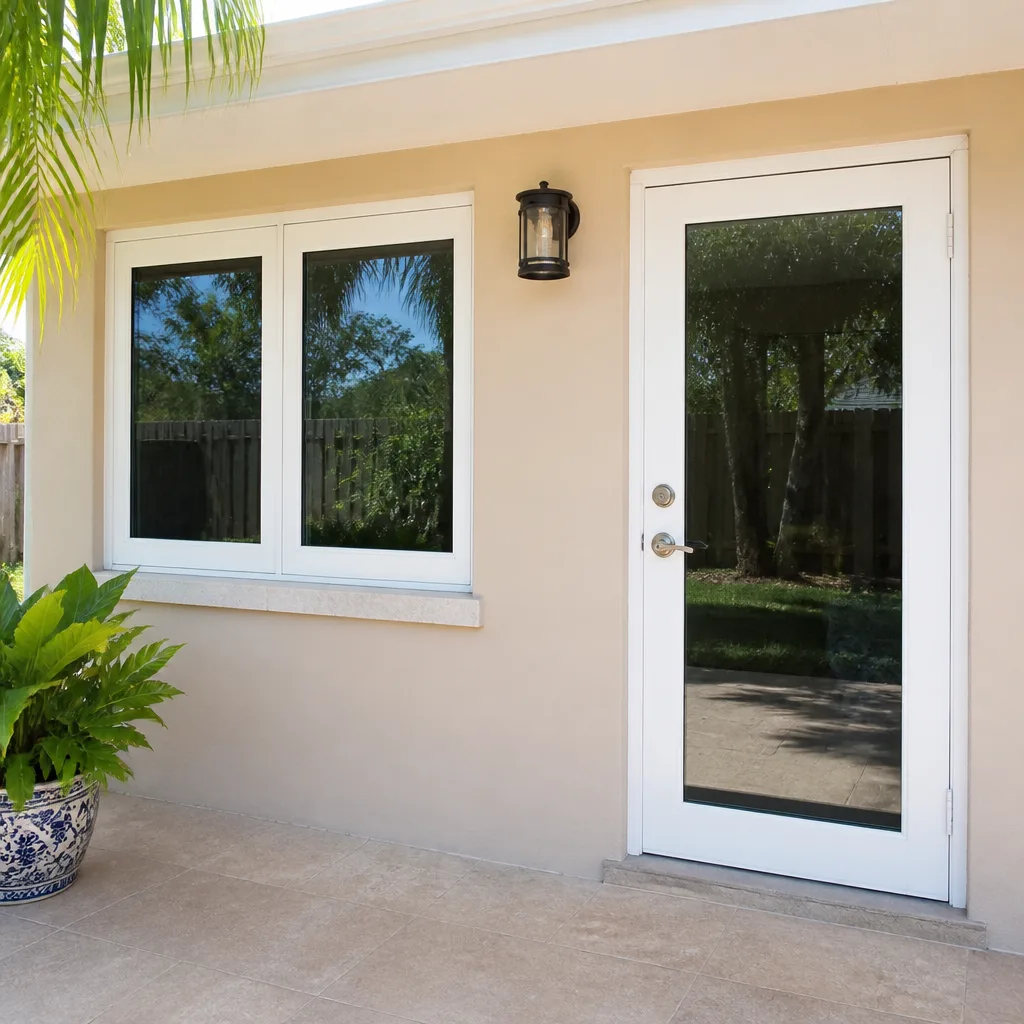 After
After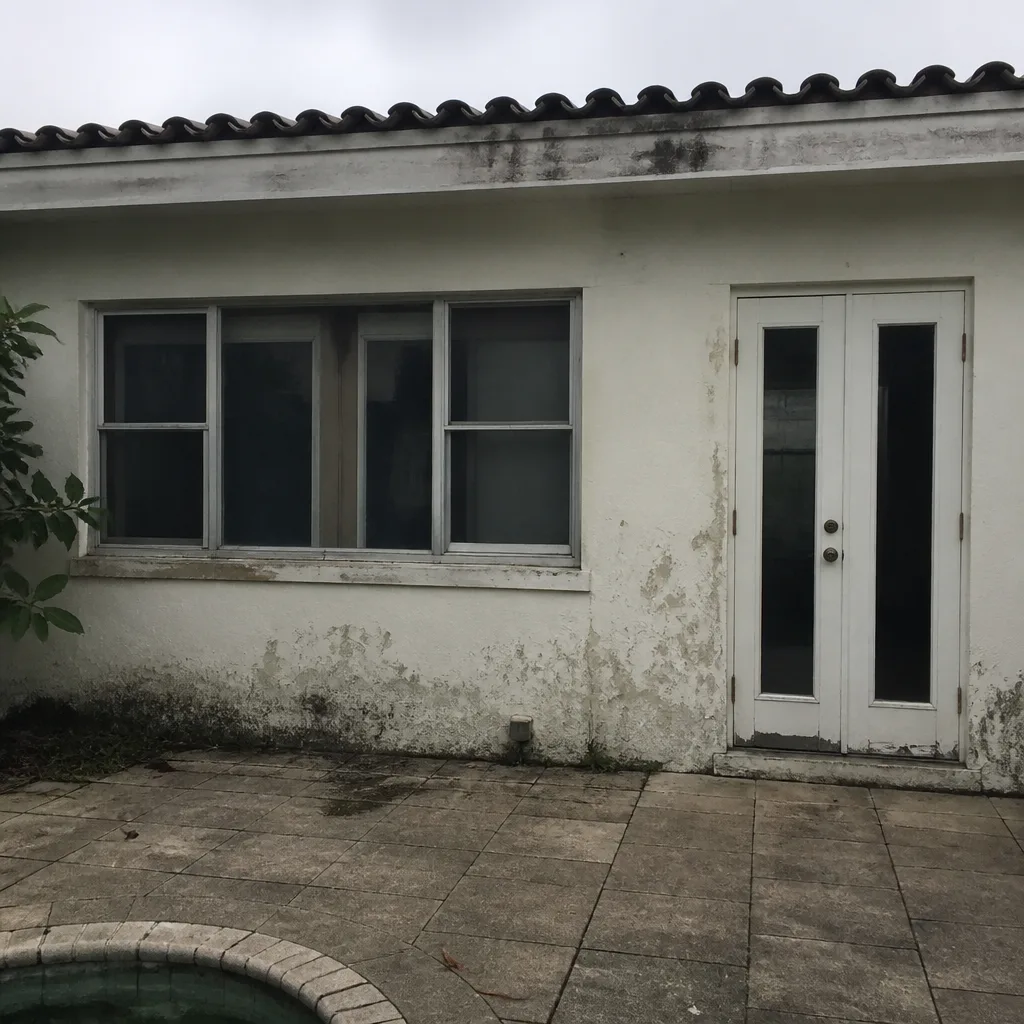 Before
 After
AfterAndersen Glass Railing Systems: The Hollywood Owner’s Guide
Andersen glass railing systems in Hollywood typically cost $180 to $520 per linear foot installed, depending on whether you’re replacing a single panel or an entire run. We stock Andersen-compatible glass railing parts and hardware on our trucks, and most single-panel replacements in Hollywood are completed in one visit. The way homeowners usually discover a problem is subtle at first: a panel that shifts when you lean on it, a top rail that’s lost its grip, or water sitting in the base shoe after a storm. By the time it’s obvious, the hardware has usually been working loose for months.
We’re an independent service provider, not an Andersen factory outlet. That matters because it means we’re not trying to sell you a whole new railing when a $40 shoe bracket and an hour of labor fixes it. Dale Kessler has been setting glass in South Broward for going on three decades, and he’ll tell you the same thing he tells every Hollywood homeowner who calls about a railing: measure it right, set it square, and the paperwork takes care of itself.
Which Andersen Models This Applies To
Andersen’s glass railing systems fall into two families: the Andersen Invisible Glass Railing line (frameless, with a low-profile base shoe that clamps the panel) and the Andersen Aluminum Post Glass Railing (framed, with 2½” square posts and a snap-on top rail). Hollywood installations skew heavily toward Invisible because homeowners here want the ocean view without a metal grid in front of it. Both lines use ½” or ¾” tempered glass panels, and the panel sizes run from 18″ to 48″ wide with heights of 36″, 42″, and 44″.
Here’s the compatibility gotcha most people miss: the Invisible line’s base shoe has changed three times since 2012. The original profile had a set-screw clamp that seized in salt air. The second generation went to a compression wedge, which fixed the corrosion but made it nearly impossible to re-level a panel without a full release. The current generation uses a barrel-channel clamp. If your railing was installed before 2018, there’s a good chance we’re matching an obsolete shoe profile, which changes the quote. Bring us a photo of the underside of the base shoe or one of the small markings cast into the post, and we’ll tell you within minutes whether it’s a direct swap or whether we’re machining a transition bracket.
We also stock parts for Pella, and PGT railing systems, and the same pricing logic applies across the board.
Signs Your Andersen Glass Railing System Is Failing
- Panel movement at the top rail. A properly set Andersen panel shouldn’t deflect more than a quarter inch when you push on the top edge. Movement beyond that usually means the base shoe clamp has backed off or the wedge has compressed. Left alone, the panel works in its channel and chips at the bottom edge.
- White residue or crust at the base shoe. Hollywood’s salt air attacks the zinc coating on the clamp screws and the shoe inserts first. The white crust is the visible part of a corrosion process that’s also happening inside the channel. If you wipe it off and it returns within a month, the hardware has lost its protection and will eventually seize.
- Water pooling in the shoe channel after rain. The shoe has weep holes at each end, and they clog with sand, paint overspray, or insect nests. Standing water in the channel accelerates corrosion and can cause the glass to sit in a pool for days after a South Florida downpour.
- Clicks or creaks when you walk by. Glass railing panels expand and contract with temperature. Hollywood’s afternoon sun on a west-facing balcony can move a panel 1/16″ per day. When the hardware is torqued right, the movement is silent. When it’s not, you get the click and a panel that’s slowly shifting.
- Discolored or hazed panel edges near hardware. Tempered glass should look clean at the edges. Hazing at a clamp point means the panel is under uneven pressure and stress is concentrating at the contact point. This is a panel that will eventually fail at the edge, usually with a loud pop and a web of cracks.
Replacement Cost & What’s Included
In Hollywood, here’s what we quote for Andersen glass railing work:
- Single panel replacement (Invisible, 36″ x 42″, ½” tempered): $380 to $620 installed, including the panel, new base shoe clamp set, and re-leveling the adjacent panels.
- Hardware-only replacement (clamps, wedges, or top rail caps for one panel): $80 to $160, same visit, no panel replacement needed.
- Full run replacement (10 to 14 linear feet, Invisible system): $2,200 to $4,800 depending on panel count, post condition, and whether the concrete needs repair at the anchor points.
- Aluminum Post system panel swap: $300 to $550 per panel including new glazing channel and snap-cap retainer.
Every quote is parts and labor broken out on paper, written, with the manufacturer lines side by side so you see exactly what you’re buying. The work is covered by our Done Right Promise, and the panel manufacturer warranty gets registered in writing before the truck leaves your driveway. We’re not the cheapest bid in Hollywood, and we’re fine with that. We’re the last call you make when the cheap fix didn’t hold.
DIY or Call Us?
You can safely tighten a base shoe clamp if you have the original hex key and the panel hasn’t shifted. Turn the screw a quarter turn and check for movement. You can also clear weep holes with a small wire and rinse the channel. That’s maintenance, not repair.
What you shouldn’t do is pull a ¾” tempered glass panel out of an Invisible shoe without help and without completely releasing every clamp point. A 42″ panel weighs 60 to 80 pounds, and the edges are under tension. If a clamp releases while one person is holding the panel, the glass kicks out, and you’re not catching it. We’ve been called twice in Hollywood to replace panels that failed during a one-person removal. Both times the homeowner was uninjured, which is the only reason we mention it. Call (863) 334-2933 and let us pull the panel with the right suction cups and two sets of hands.
FAQs
In Hollywood’s salt air, the glass panel itself lasts 20 to 30 years, but the hardware, meaning the base shoe clamps, wedges, and screws, typically needs replacement every 7 to 10 years. The glass almost never wears out. The hardware always does. Call (863) 334-2933 and we’ll tell you over the phone whether you’re looking at hardware or a panel.
No. Tempered glass can’t be ground, polished, or filled. Any chip at the edge weakens the panel, and any visible scratch deeper than a fingernail catch is a stress point that will fail during thermal cycling. Replacement is the only correct fix.
A single panel swap takes 2 to 3 hours in Hollywood, including re-leveling the adjacent panels and re-torquing the hardware. A full run is a one-day job. We’ll be there when we say, and we register the manufacturer warranty before the truck leaves.
We carry the current-generation Invisible base shoe clamps, wedges, screws, and top rail hardware on every truck. Any panel we need is cut from ½” or ¾” tempered stock at a Hollywood glass fabricator within 24 to 48 hours, which keeps the lead time short without us stocking panels that sit in a warehouse picking up scratches.
Written by Dale Kessler, Owner, TruePane Windows & Doors at TruePane Windows & Doors, serving Hollywood and nearby areas.
Six Reasons Homeowners Choose TruePane Windows & Doors
Impact systems engineered to design pressures up to +/-100, matched to your wind zone - your openings hold when the storm arrives.
Low-E insulated impact glass from our manufacturer lines commonly cuts monthly cooling bills 20-30%.
Laminated impact glass shuts out up to 40% of outside noise - traffic, neighbors, weather.
Monitoring services run $30-90 a month. Laminated impact glass resists forced entry around the clock, with no subscription.
Florida homeowners average around 25% savings on the windstorm portion of their policy after protecting every opening - some homes qualify for more.
A full impact package upgrades curb appeal, buyer confidence and appraised value in one project.